Jean Racine
1639 – 1699
French
10 booksBiography
Jean Racine (1639–1699) was a preeminent French dramatist and one of the three great playwrights of seventeenth-century France. Renowned as a master of classical tragedy, he redefined European theatre through his elegant Alexandrine verse and profound psychological portrayal of characters consumed by intense, inescapable passions.
Born in La Ferté-Milon, France, Racine was orphaned early and educated at the Jansenist convent of Port-Royal. This rigorous religious upbringing deeply instilled in him a belief in predestination and the flawed nature of humanity, themes that would later define his tragic vision. In the 1660s, he moved to Paris to pursue a literary career, quickly gaining the patronage of King Louis XIV.
After producing a series of highly successful tragedies, Racine retired from the commercial stage in 1677 to serve as royal historiographer to the king. He returned to playwriting late in life at the request of Madame de Maintenon, composing religious dramas before his death in Paris in 1699.
Essential Reading
- La Thébaïde ou Les Frères Ennemis (1664): Racine's debut tragedy dramatizes the fatal conflict between the sons of Oedipus for the throne of Thebes.
- Andromaque (1667): This breakthrough masterpiece explores a devastating chain of unrequited love and political intrigue among the survivors of the Trojan War.
- Les Plaideurs (1668): Racine's only comedy is a sharp, satirical farce mocking the absurdities of the French legal system.
- Britannicus (1669): Set in ancient Rome, this political tragedy depicts the chilling rise of the emperor Nero and his descent into tyranny.
- Bérénice (1670): This minimalist masterpiece focuses on the painful sacrifice of love for political duty between a Roman emperor and a queen.
- Bajazet (1672): Set in the Ottoman Empire, this drama explores a deadly web of jealousy and power within the imperial harem.
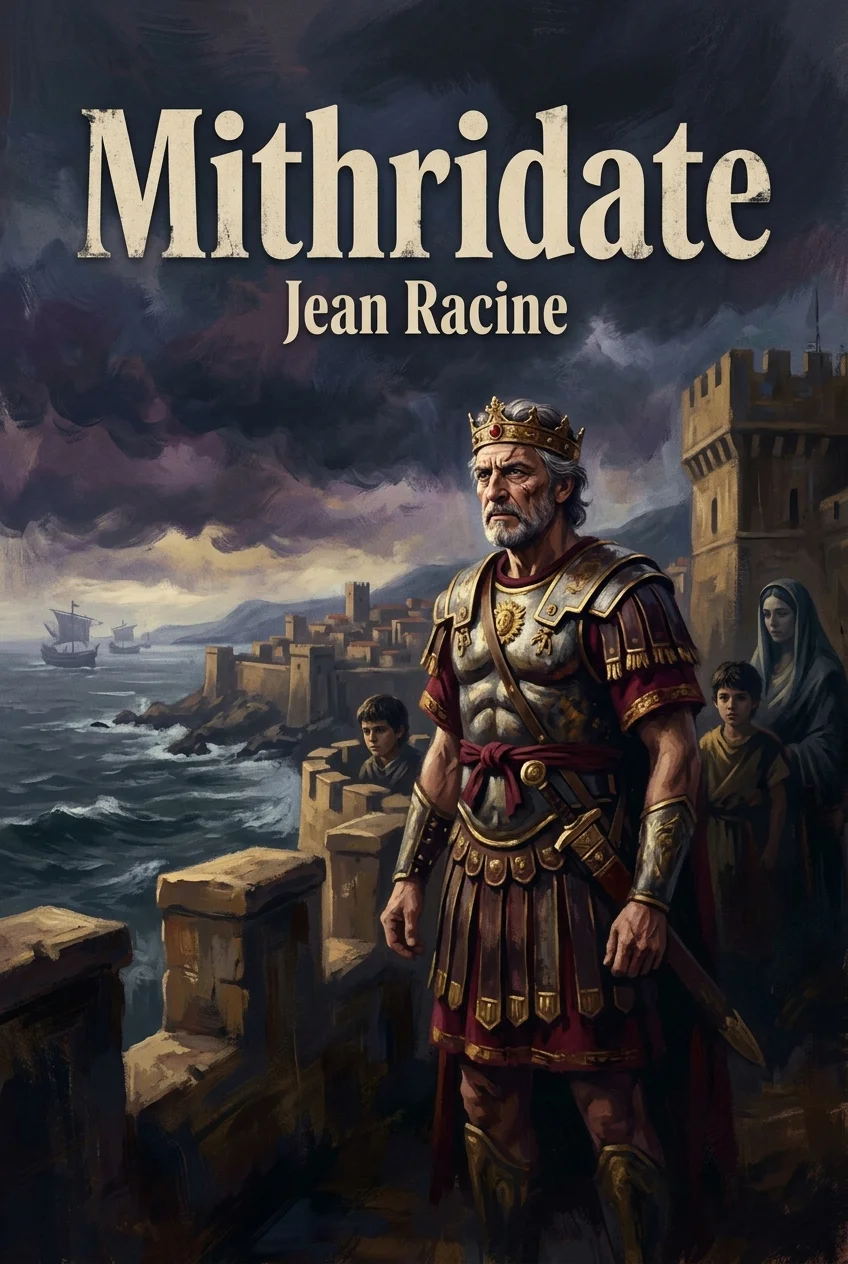
- Mithridate (1673): This historical tragedy centers on a defiant Pontic king battling both Rome and his sons for the woman he loves.
- Iphigénie en Aulide (1674): Based on Euripides, the play depicts Agamemnon's agonizing decision to sacrifice his daughter for military success.
- Phèdre (1677): Racine's supreme masterpiece portrays a queen's consuming, forbidden passion for her stepson and her subsequent descent into ruin.
- Esther (1689): This biblical drama tells the story of the Jewish queen who risks her life to save her people from persecution.