J. M. Synge
1871 – 1909
Irish
1 bookBiography
Edmund John Millington Synge (1871–1909) was an Irish playwright, poet, and folklore collector who became a leading figure of the Irish Literary Revival. He is best known for his poetic, stylized depictions of the rural Irish peasantry and his role as a co-founder of the Abbey Theatre. His works captured the unique cadence of Hiberno-English, transforming the landscape of modern Irish drama.
Born in Rathfarnham, Ireland, Synge studied music and languages at Trinity College Dublin before traveling across Europe. In 1896, while living in Paris, he met the poet William Butler Yeats, who famously advised him to abandon literary criticism and visit the Aran Islands to capture a unique, authentic way of life. Synge took this advice, spending his summers there between 1898 and 1902, capturing the stories, language, and customs that would form the basis of his greatest theatrical works.
Upon returning to Dublin, Synge helped establish the Abbey Theatre in 1904 alongside Yeats and Lady Gregory, serving as one of its literary directors. His most famous play, produced in 1907, provoked intense public outrage and riots due to its perceived insult to Irish morality and nationalism. Synge's brilliant career was cut short when he succumbed to Hodgkin's disease in Dublin at the age of thirty-seven.
Essential Reading
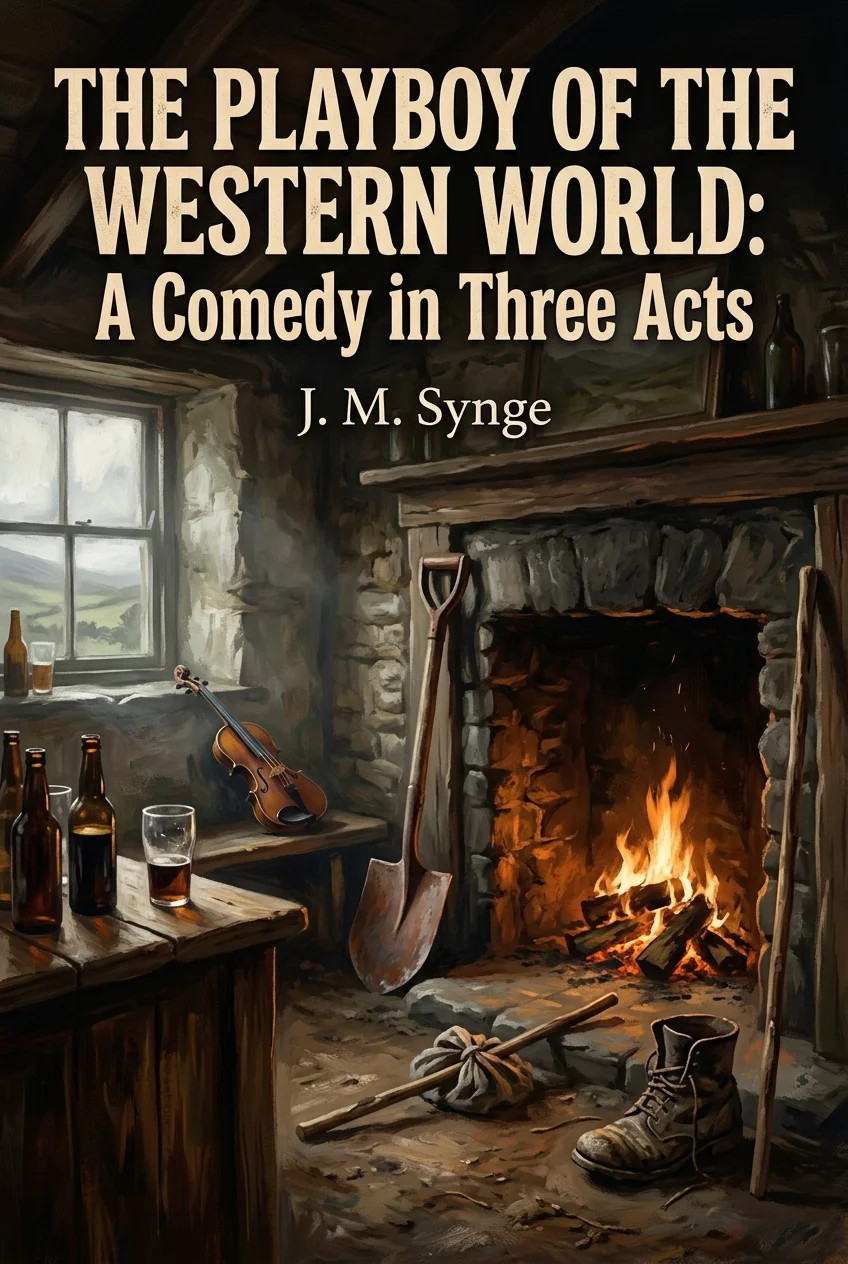
- The Playboy of the Western World: A Comedy in Three Acts (1907): This highly controversial masterpiece tells the story of a young man who runs away after claiming to have killed his father, only to be celebrated as a hero by local villagers.
- Riders to the Sea (1904): A powerful, one-act tragedy that depicts the relentless grief of an Aran Islands mother who has lost her husband and all of her sons to the unforgiving sea.
- The Aran Islands (1907): This evocative travel journal documents the author's personal experiences, observations, and folklore collections during his transformative visits to the remote Irish islands.