Herman Melville
1819 – 1891
American
1 bookBiography
Herman Melville (1819–1891) was an American literary titan whose most profound work went entirely unappreciated during his lifetime. Drawing from his adventurous youth working as a sailor on whaling ships in the South Pacific, Melville initially achieved immense popular success with thrilling, semi-autobiographical travel narratives. However, as his artistic ambitions deepened, he began infusing his maritime tales with intense psychological depth, complex symbolism, and dark philosophical inquiries into the nature of good, evil, and human obsession.
When he published his masterpiece, Moby-Dick, contemporary readers and critics were baffled by its dense, experimental structure. It was a spectacular commercial failure that essentially ended his career as a popular novelist. Melville spent his later years writing poetry and working quietly as a customs inspector in New York, eventually dying in obscurity. It was only during the "Melville Revival" of the 1920s that his genius was finally recognized, and his epic tale of the white whale was rightfully elevated to its status as a cornerstone of American literature.
Essential Reading
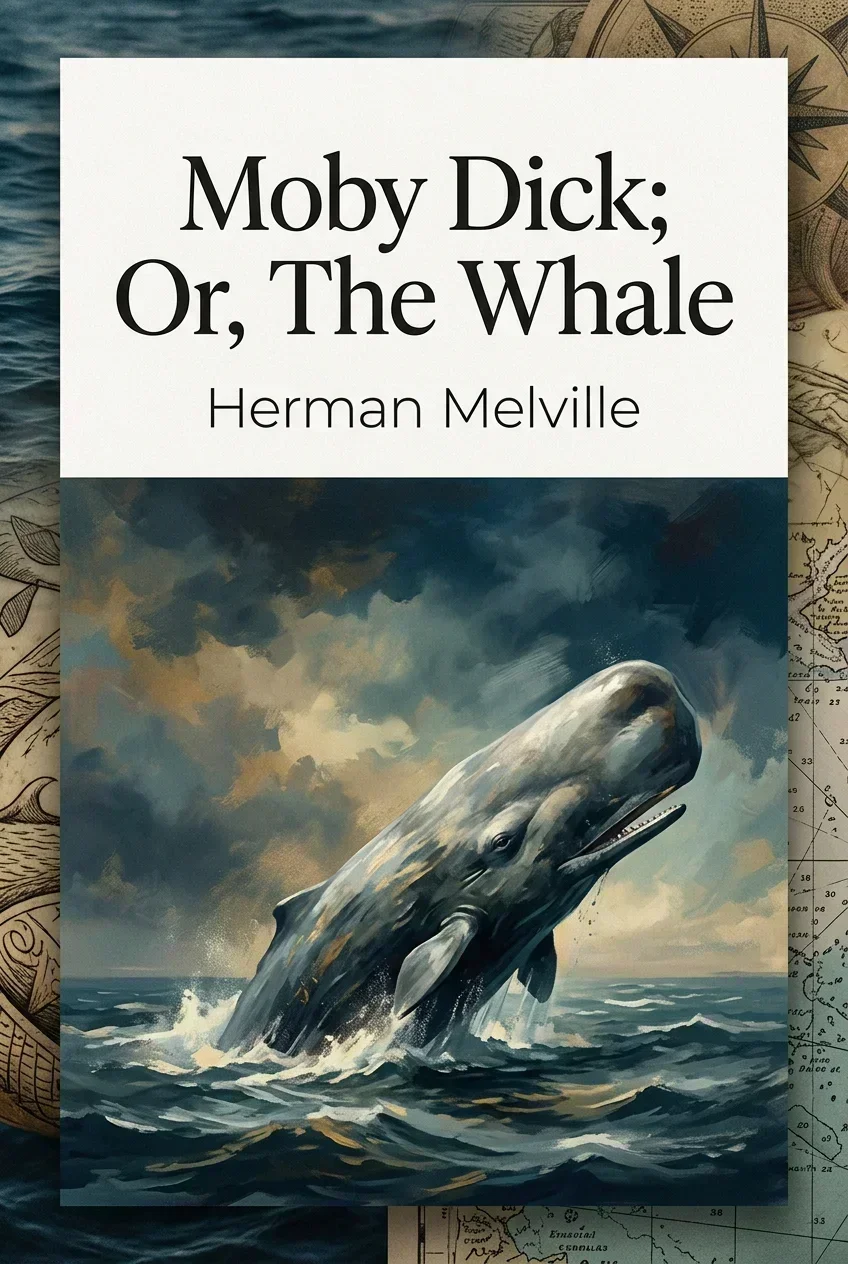
- Moby-Dick (1851): His towering, obsessive masterpiece chronicling Captain Ahab's doomed, maniacal quest for revenge against a legendary, monstrous white whale.
- Bartleby, the Scrivener (1853): A surreal, profoundly unsettling short story about a Wall Street copyist who suddenly and inexplicably decides he "would prefer not to" do his job, or anything else.
- Billy Budd, Sailor (1924): Left unfinished at his death and published decades later, this brilliant, morally complex novella explores innocence, duty, and injustice aboard a British naval ship.
- Typee (1846): His highly sensationalized, best-selling debut novel based on his real-life experiences living among a Polynesian tribe in the Marquesas Islands.