H. G. Wells
1866 – 1946
English
43 booksBiography
Herbert George Wells known as H. G. Wells (1866–1946) didn't merely predict the future; he built the imaginative architecture we still use to envision it. Widely recognized as a founding father of science fiction, Wells drew heavily on his working-class background and his formal studies in biology under the prominent scientist T. H. Huxley. This grounded education allowed him to inject a chilling sense of scientific plausibility into his wildest speculations.
In a spectacular burst of creativity at the close of the 19th century, Wells published a rapid-fire sequence of "scientific romances" that introduced enduring concepts like time travel, extraterrestrial invasion, and genetic engineering. Yet, beneath the thrilling plots of mad scientists and Martian tripods, he consistently embedded sharp social commentary. He used the genre to relentlessly interrogate Victorian class division, the arrogance of British imperialism, and the catastrophic potential of unchecked technological advancement.
Essential Reading
- The Time Machine (1895): The novella that popularized the concept of a vehicle used for chronological travel, presenting a bleak vision of a distant future where humanity has evolved into two dangerously distinct, opposed species.
- The War of the Worlds (1898): The pioneering alien invasion narrative detailing a devastating, technologically superior Martian attack on England, serving as a terrifying critique of colonial expansion.
- The Invisible Man (1897): A tense, psychological thriller exploring the corrupting nature of absolute power through the story of a brilliant researcher driven to violent megalomania by his own breakthrough.
- The Island of Doctor Moreau (1896): A deeply unsettling, philosophical horror novel that probes the dark boundaries of scientific ethics and the fragile barrier separating human from beast.
Books in the Library
The Door in the Wall and Other Stories
English
The Country of the Blind, and Other Stories
English
The World Set Free
English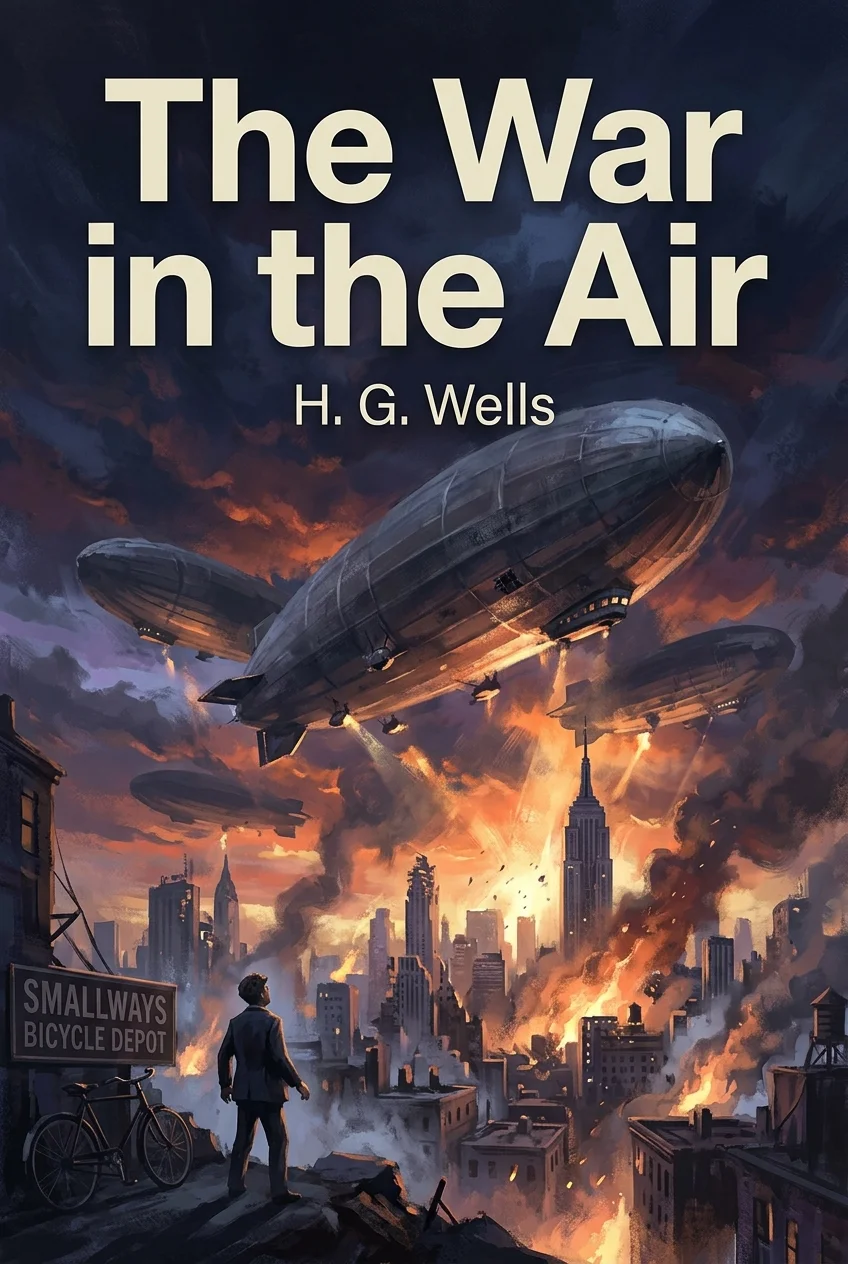
The War in the Air
English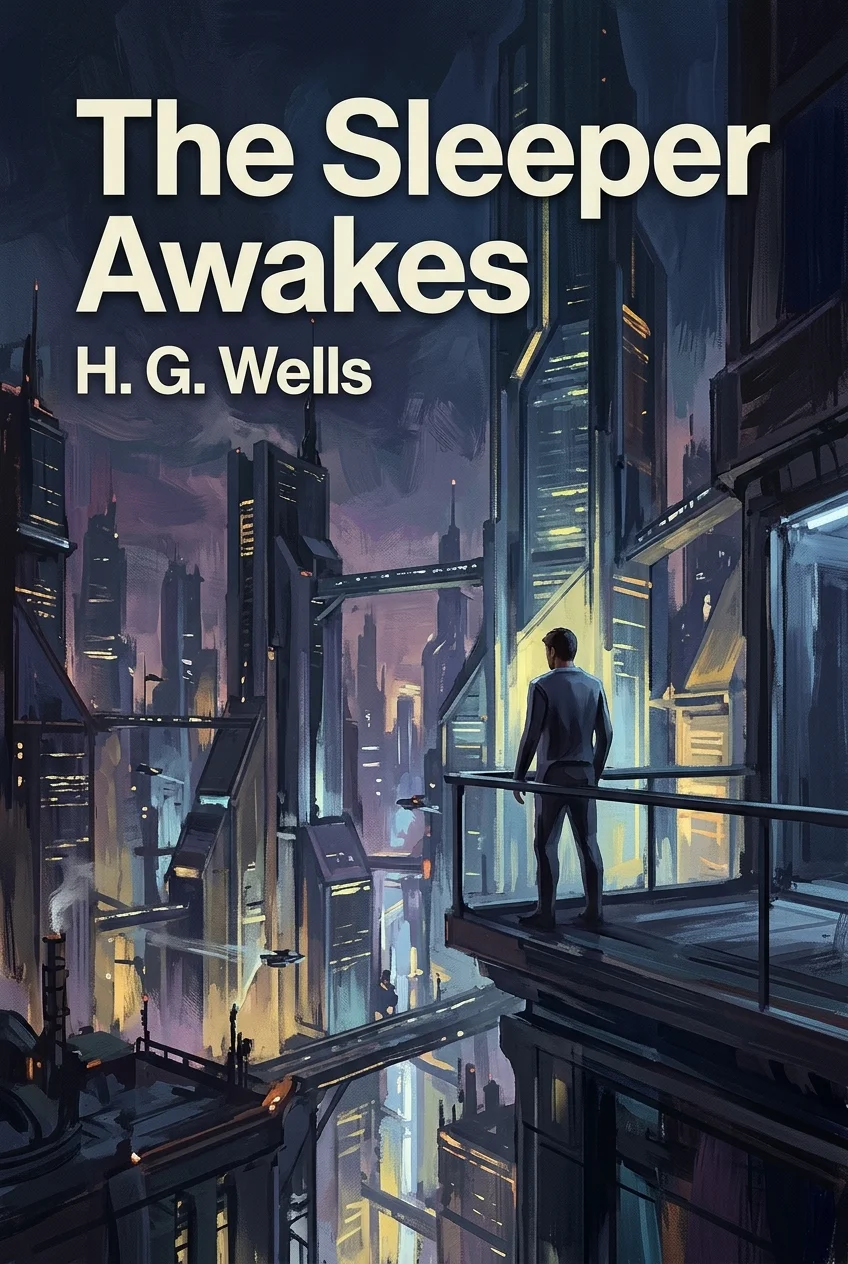
The Sleeper Awakes
English
The Shape of Things to Come
English
The Island of Doctor Moreau
English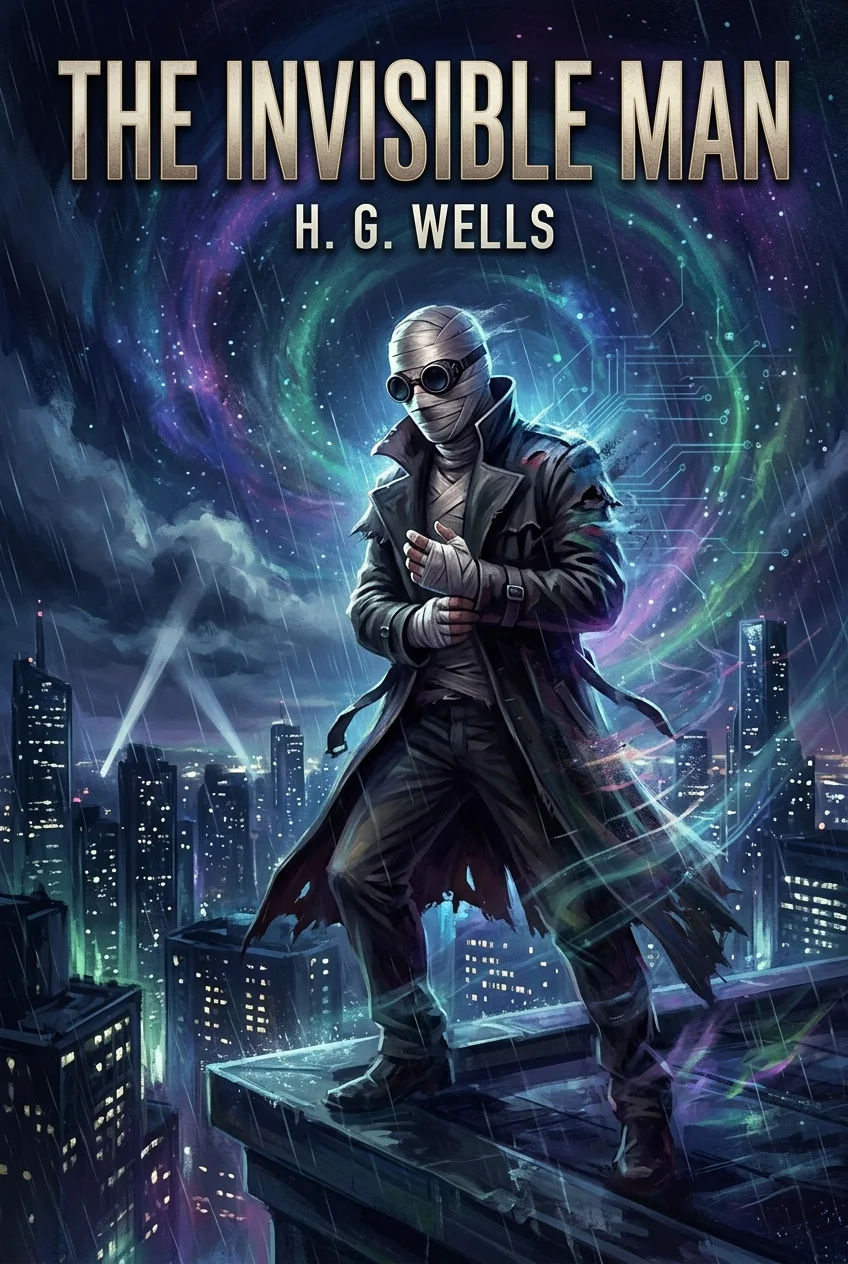
The Invisible Man
English
The Food of the gods and How It Came to Earth
English
The First Men in the Moon
English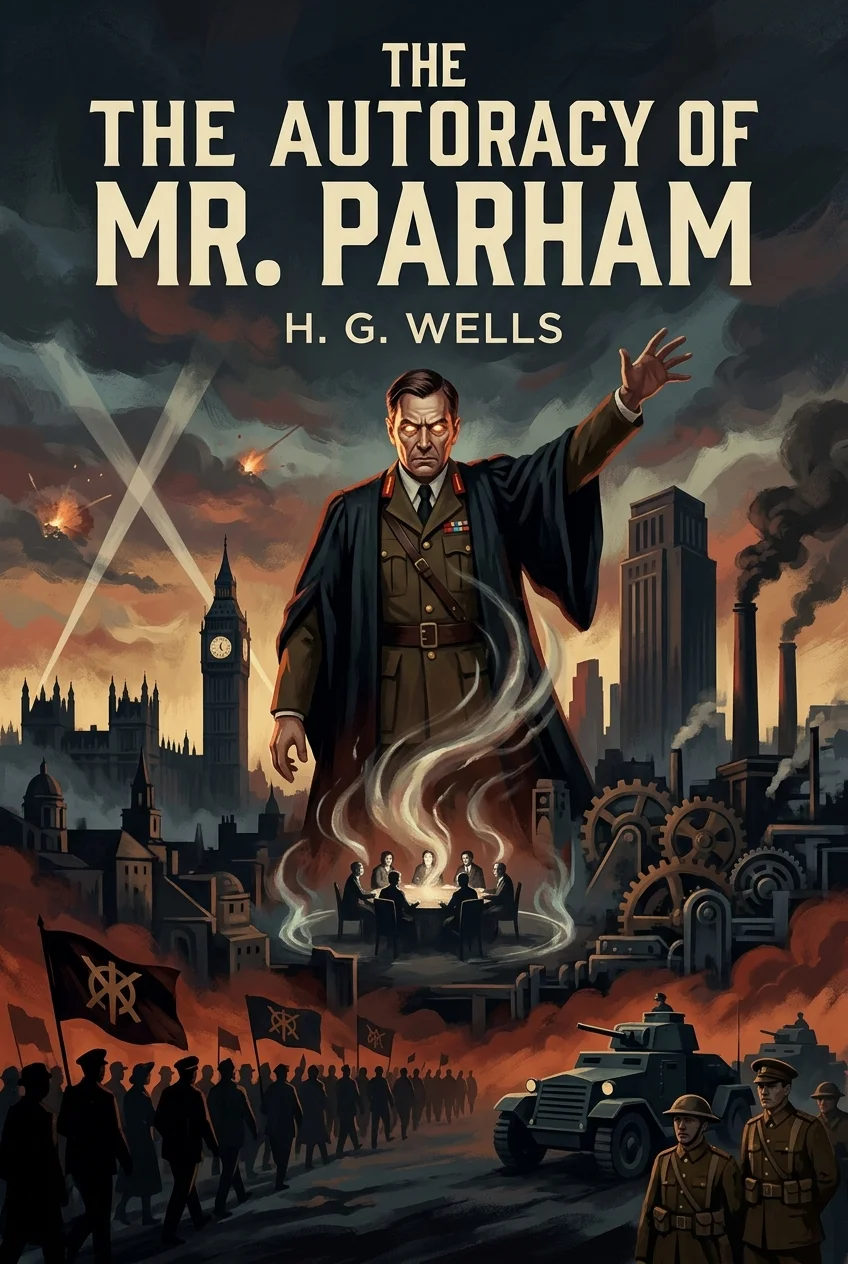
The Autocracy of Mr. Parham
English
Tales of Space and Time
English
Star Begotten
English
Men Like Gods
English
In the Days of the Comet
English
Tono Bungay
English
The Croquet Player
English
The Wheels of Chance
English
The Research Magnificent
English
The Passionate Friends
English
The New Machiavelli
English
The Holy Terror
English
The History of Mr. Polly
English
Mr. Britling Sees It Through
English
Love and Mr. Lewisham
English
Kipps
English
The Wonderful Visit
English
The Sea Lady
English
صانع المعجزات
العربية
صانع الألماس
العربية
سيد المولدات الكهربائية
العربية
الحُلة الجميلة
العربية
Twelve Stories and a Dream
English
The Stolen Bacillus and Other Incidents
English
The Plattner Story and Others
English
The Discovery of the Future
English
Mankind in the Making
English
God the Invisible King
English
Anticipations
English
Ann Veronica, a modern love story
English
A Modern Utopia
English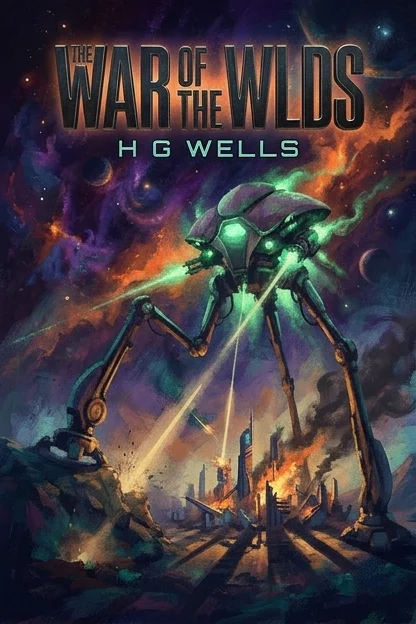
The War of the Worlds
English