Friedrich Engels
1820 – 1895
German
1 bookBiography
Friedrich Engels (b. 1820) was a German political philosopher, social scientist, and journalist who co-developed Marxist theory alongside Karl Marx. As a sharp critic of nineteenth-century industrial capitalism, he produced groundbreaking sociological studies and political treatises that reshaped modern social thought. His financial support and intellectual collaboration were crucial to the creation and dissemination of classical socialist philosophy.
Born into a wealthy Protestant textile manufacturing family in Barmen, Prussia, Engels developed radical political views during his youth. In 1842, his parents sent him to Manchester, England, to work at his family's cotton mill, hoping to curb his political radicalism. Instead, witnessing the harsh living conditions of the English working class intensified his critique of industrial capitalism and inspired his foundational 1845 empirical study on urban poverty.
In 1844, Engels met Karl Marx in Paris, initiating a lifelong intellectual partnership that produced foundational texts for revolutionary political philosophy. Following Marx's death in 1883, Engels devoted his later years to editing and publishing the remaining volumes of Das Kapital while synthesizing materialist historical theory. Through his extensive writings on anthropology, history, and social science, Engels established critical frameworks regarding state formation, gender relations, and economic evolution.
Essential Reading
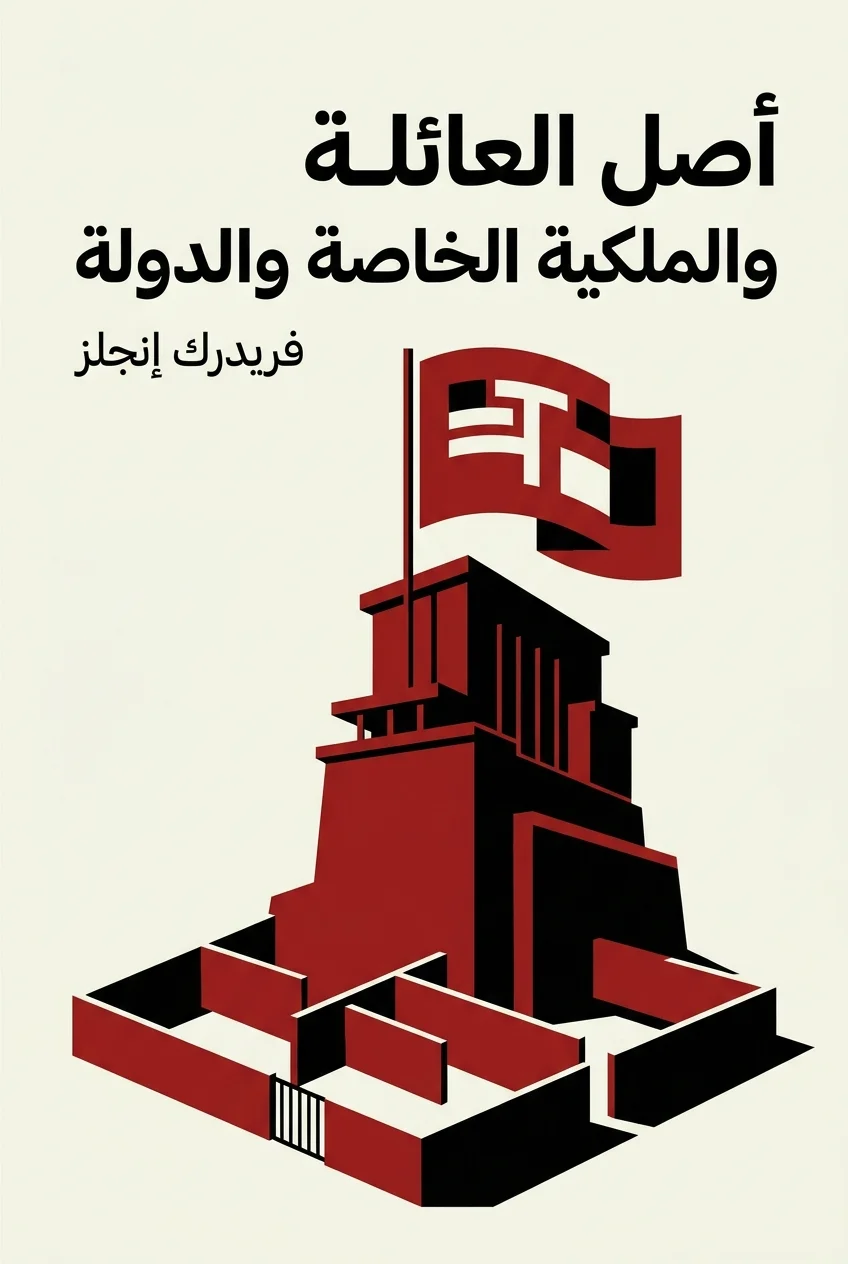
- The Origin of the Family, Private Property and the State (1884): A landmark historical materialist analysis linking the emergence of private property to the subjugation of women and the formation of the modern state.
- The Condition of the Working Class in England (1845): A pioneering sociological investigation detailing the dire living and working conditions of industrial laborers in Victorian Manchester.
- The Communist Manifesto (1848): Co-authored with Karl Marx, this influential political pamphlet outlines the principles of historical materialism and the dynamics of class struggle.