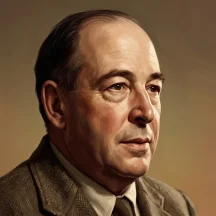
C. S. Lewis
1898 – 1963
Northern Irish
12 booksBiography
Clive Staples Lewis (b. 1898) was a British writer, scholar, and lay theologian who became one of the most influential literary figures of the twentieth century. He is widely celebrated for his contributions to children's fantasy literature and his accessible, profound works of Christian apologetics. His academic career at Oxford and Cambridge universities grounded his highly imaginative and intellectually rigorous writing.
Born in Belfast, Ireland, Lewis experienced a childhood marked by the early loss of his mother, which contributed to his youthful departure from faith into atheism. After serving in the British Army during World War I, he completed his education at Oxford University, where he subsequently taught English literature for nearly three decades. His intellectual journey, heavily influenced by his close friendship with fellow scholar J. R. R. Tolkien and his involvement with the literary group known as the Inklings, culminated in his return to Christianity in 1931.
This spiritual conversion profoundly reshaped his literary output, inspiring him to write works that defended and explored Christian theology through both allegory and direct exposition. During World War II, his broadcast talks on faith reached millions of listeners, establishing him as a prominent public intellectual and a compassionate voice of reason. In 1954, he accepted the chair of Medieval and Renaissance English at Cambridge University, a position he held until shortly before his death in Oxford in 1963.
Essential Reading
- The Screwtape Letters (1942): A brilliant satirical novel consisting of letters from a senior demon to his nephew, offering a profound psychological analysis of human temptation and morality.
- Transposition and Other Addresses (1949): A collection of insightful sermons and essays, including the famous Weight of Glory, that explore the intersection of the natural and supernatural worlds.
- The Four Loves (1960): A philosophical and theological exploration of the nature of love, categorizing it into affection, friendship, eros, and charity.
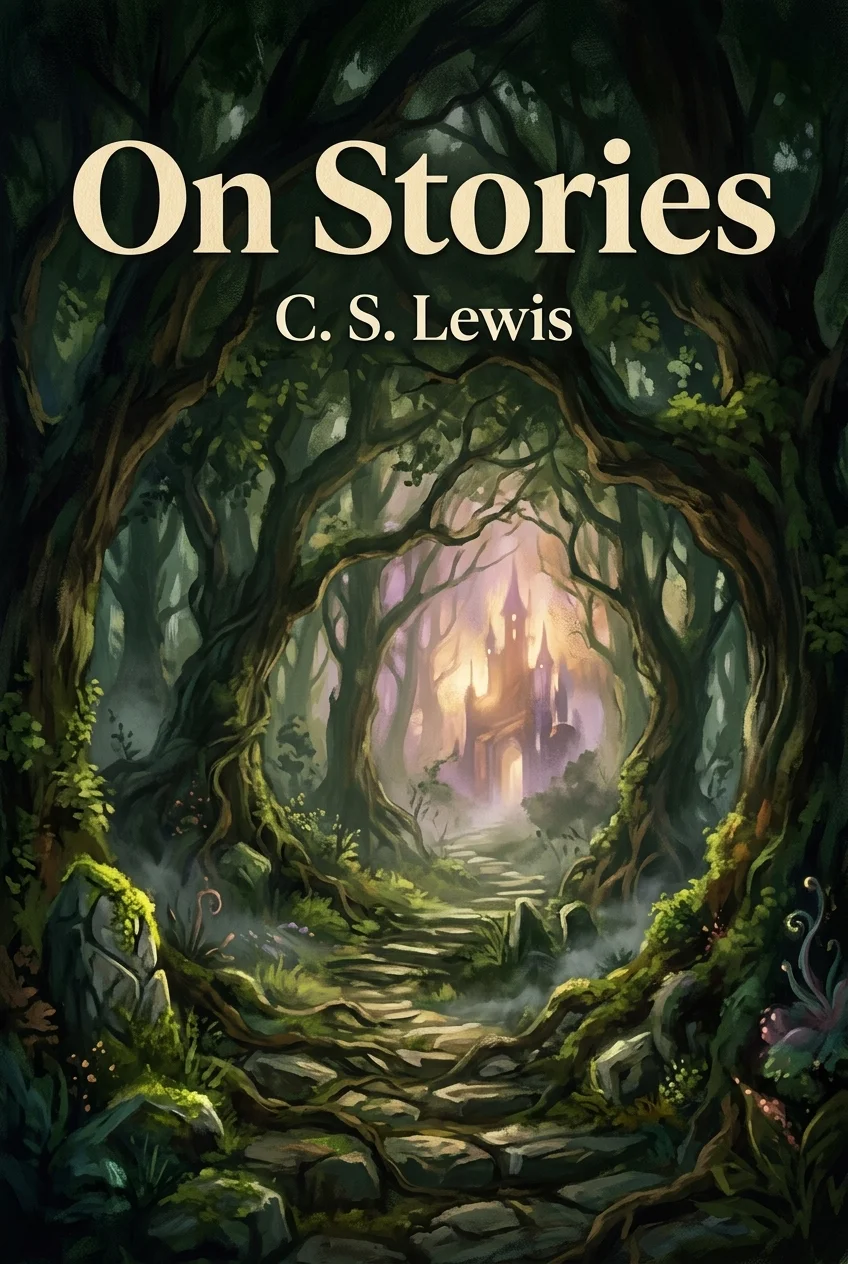
- On Stories (1982): A posthumously published collection of essays that highlights the author's deep appreciation for the genre of science fiction, fantasy, and the art of storytelling.
Books in the Library
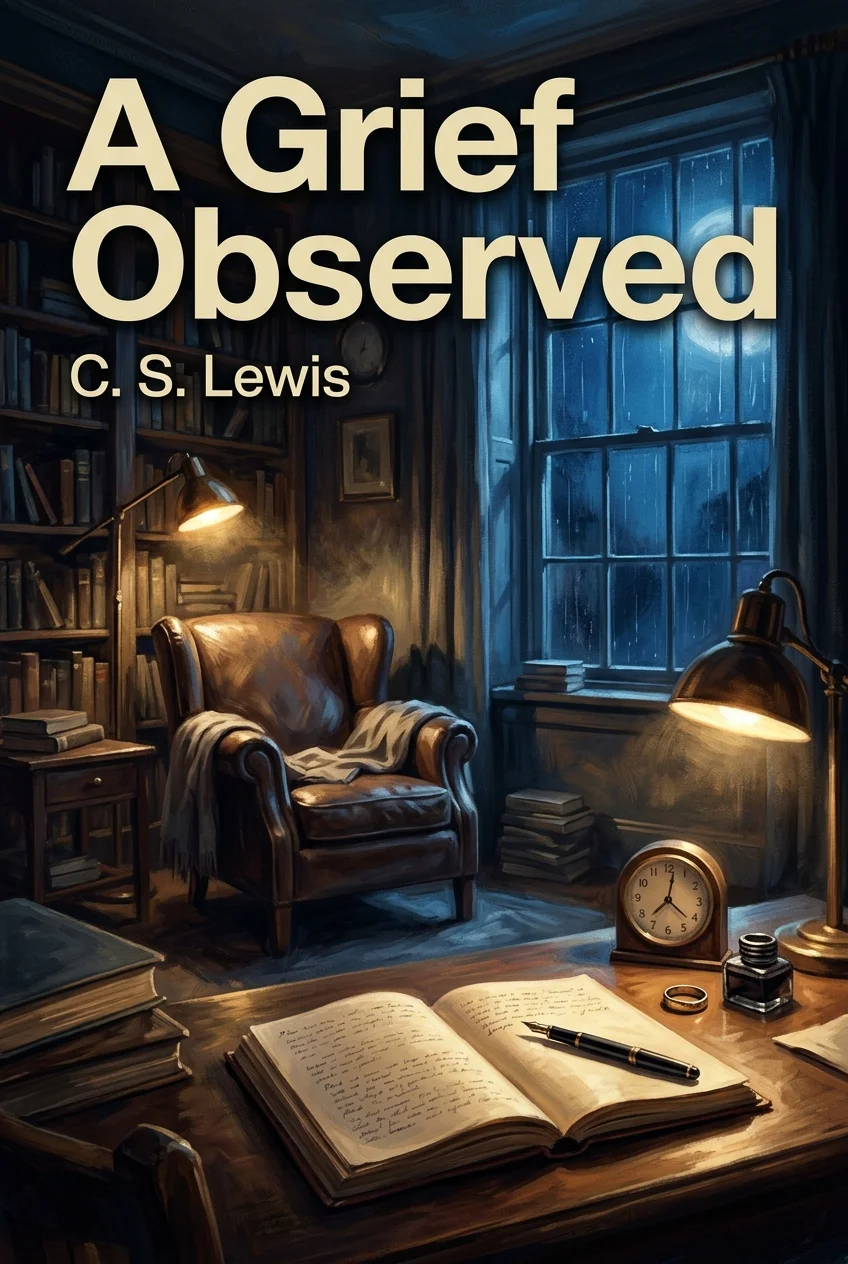
A Grief Observed
English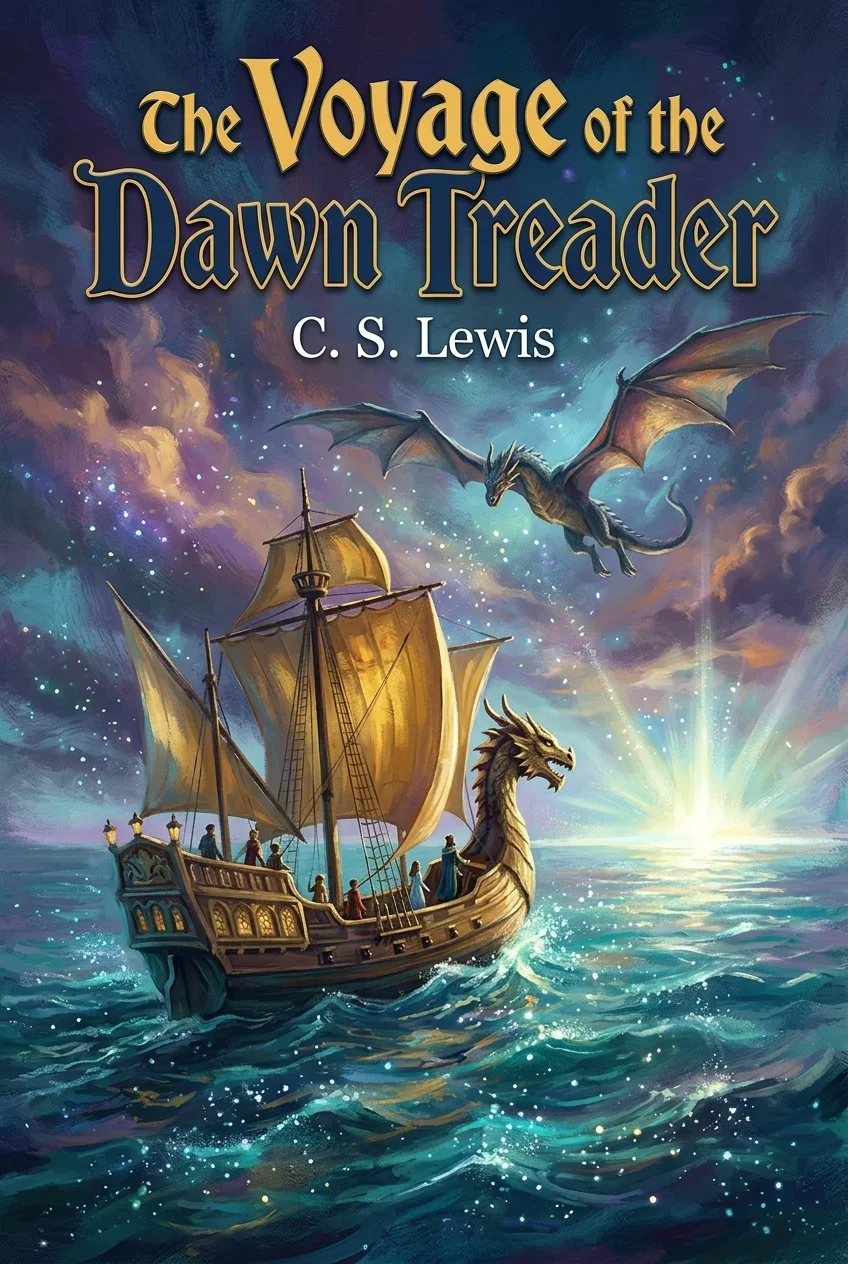
The Voyage of the Dawn Treader
English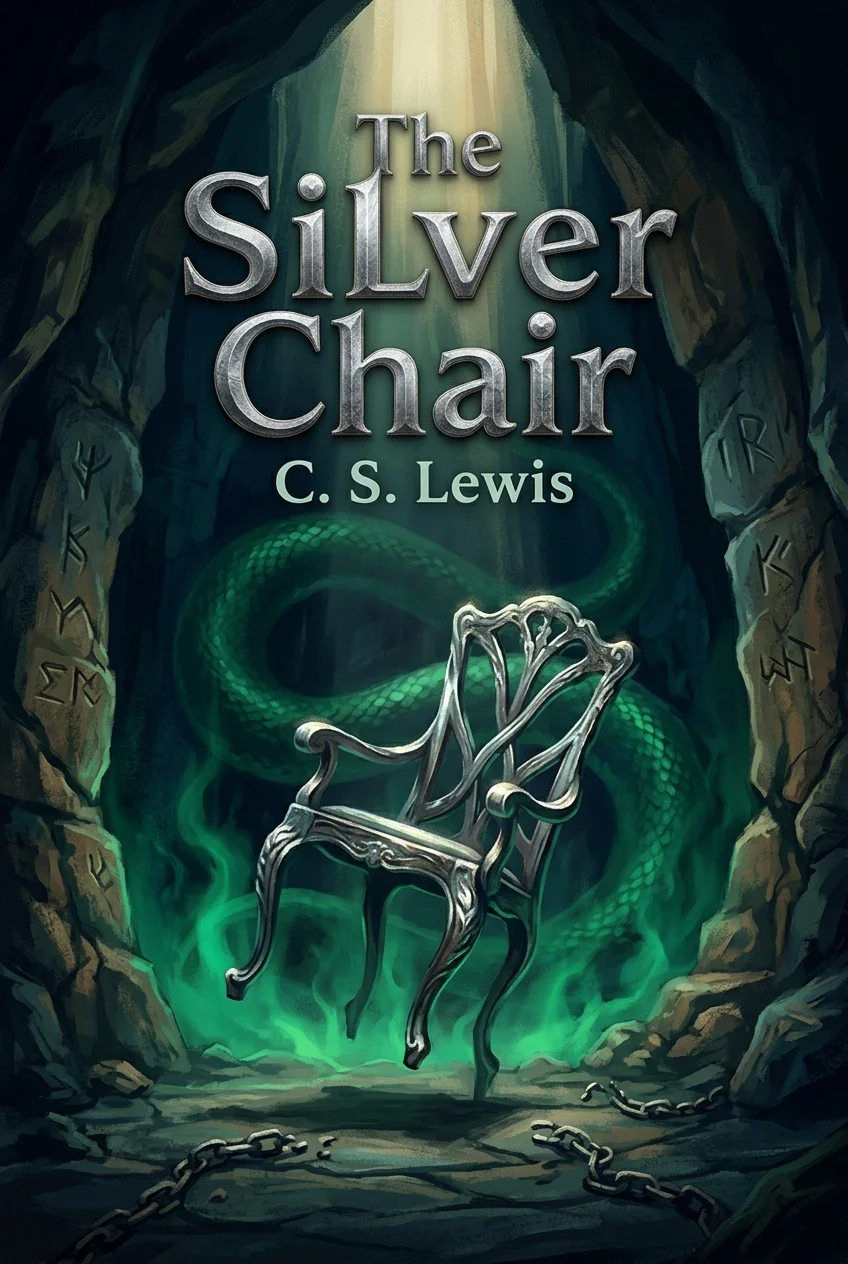
The Silver Chair
English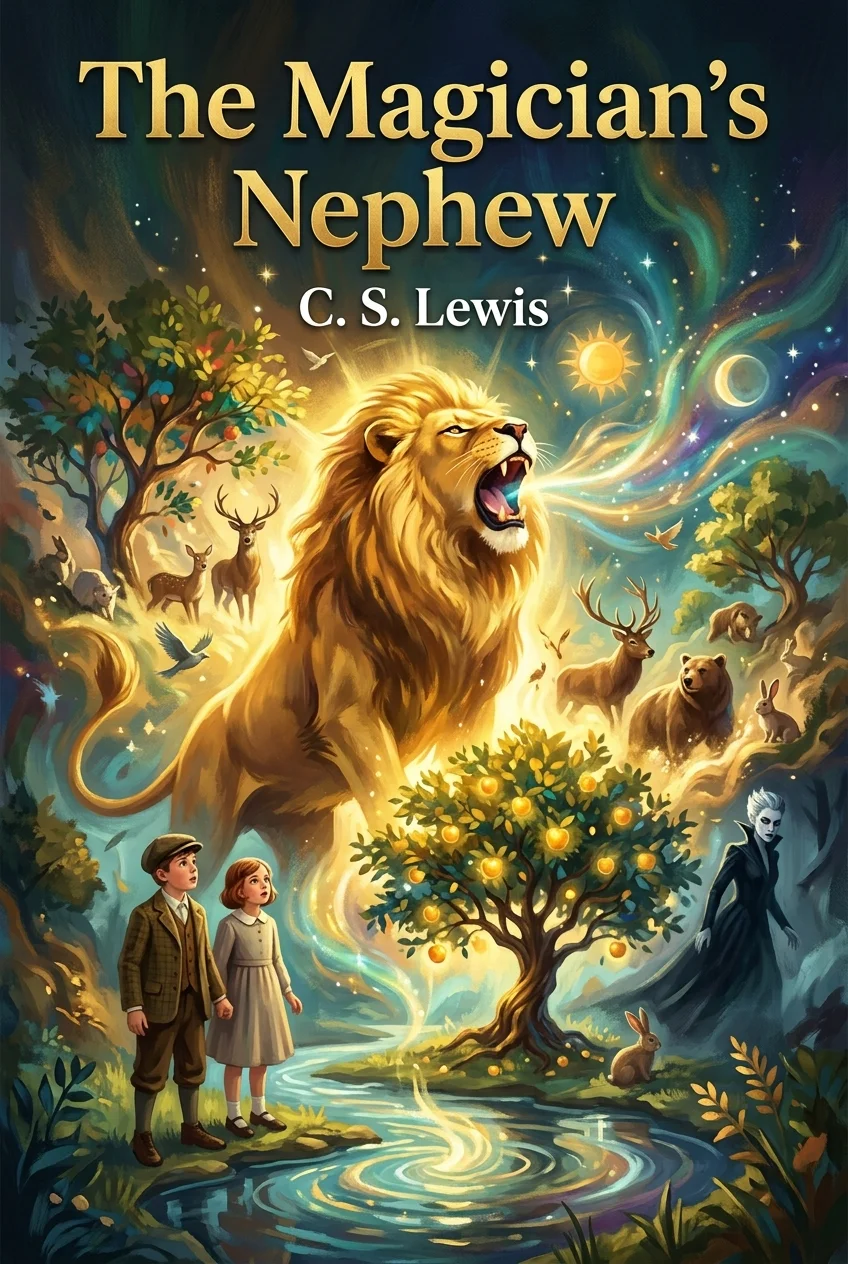
The Magician's Nephew
English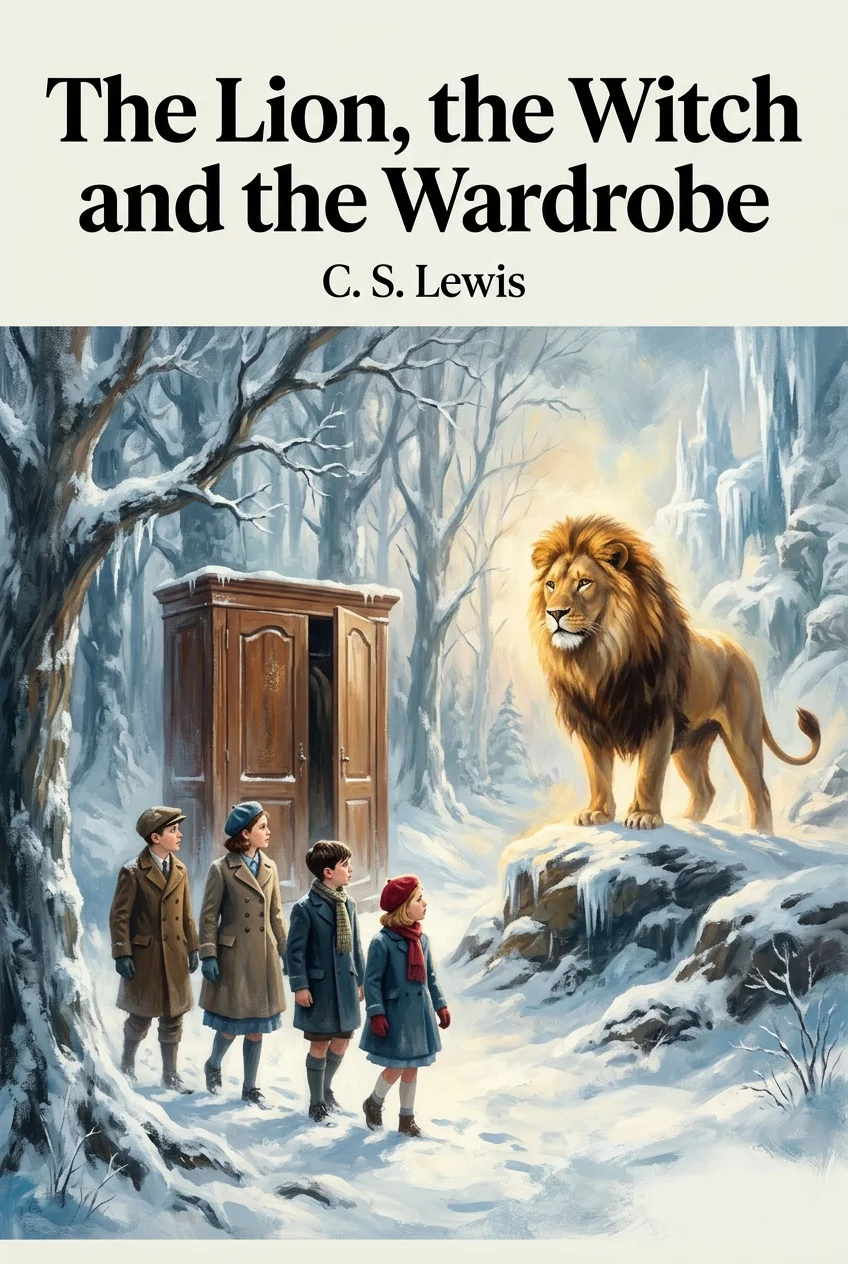
The Lion, the Witch and the Wardrobe
English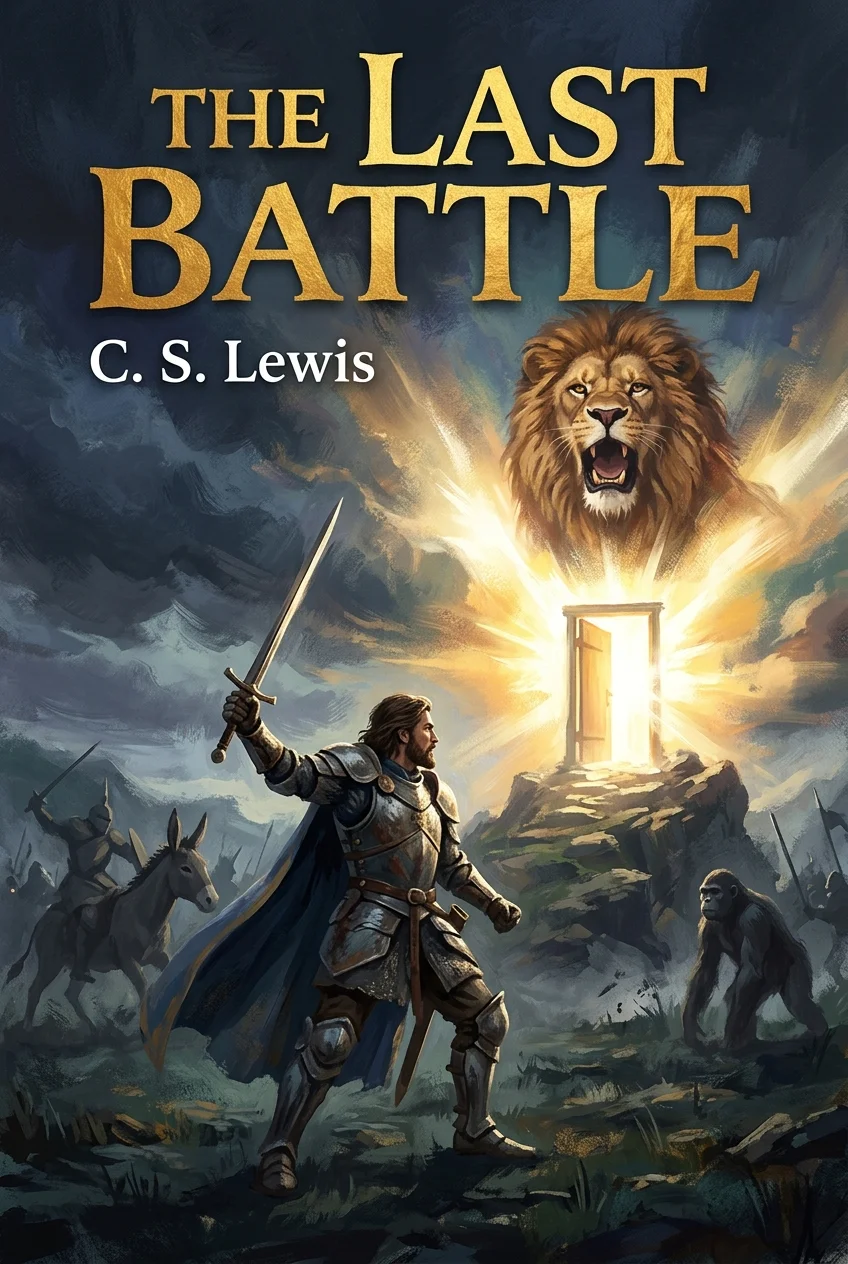
The Last Battle
English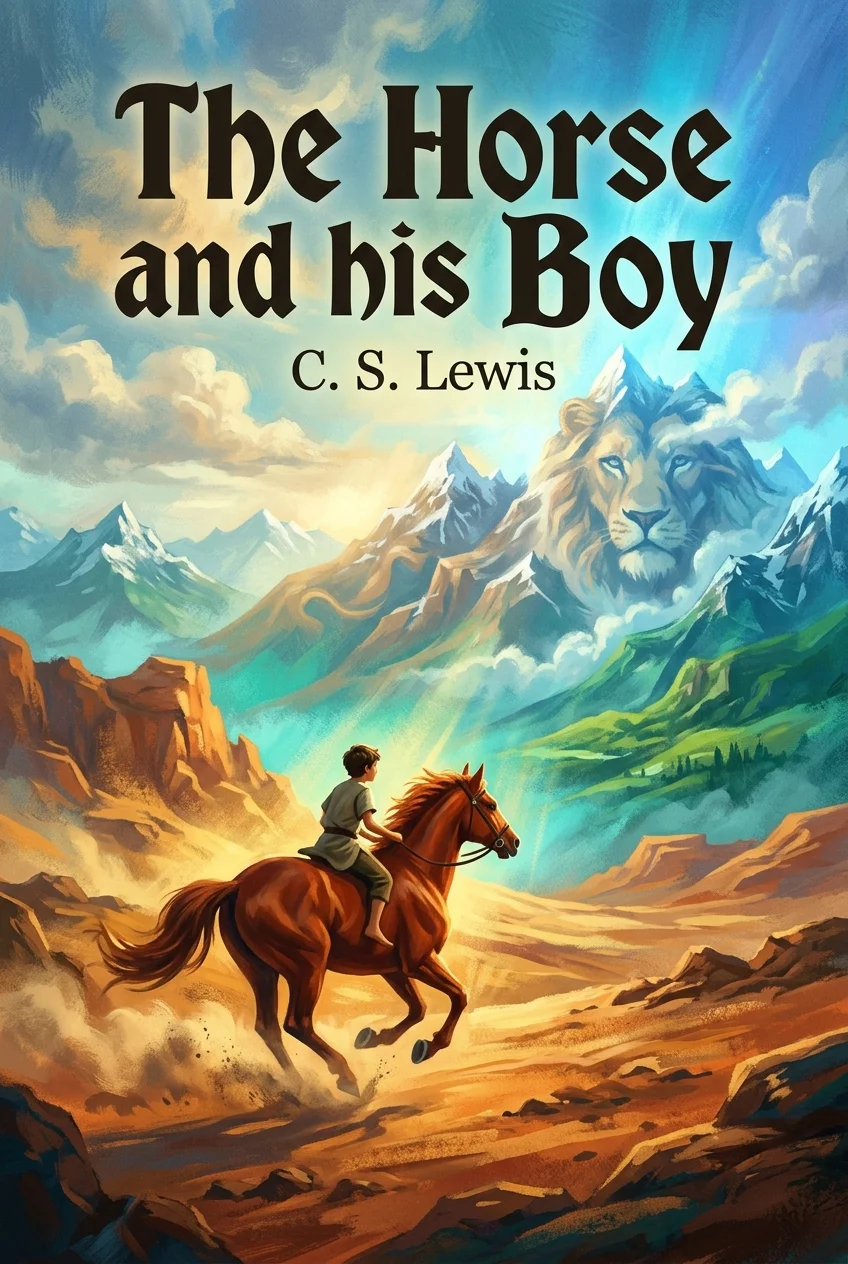
The Horse and his Boy
English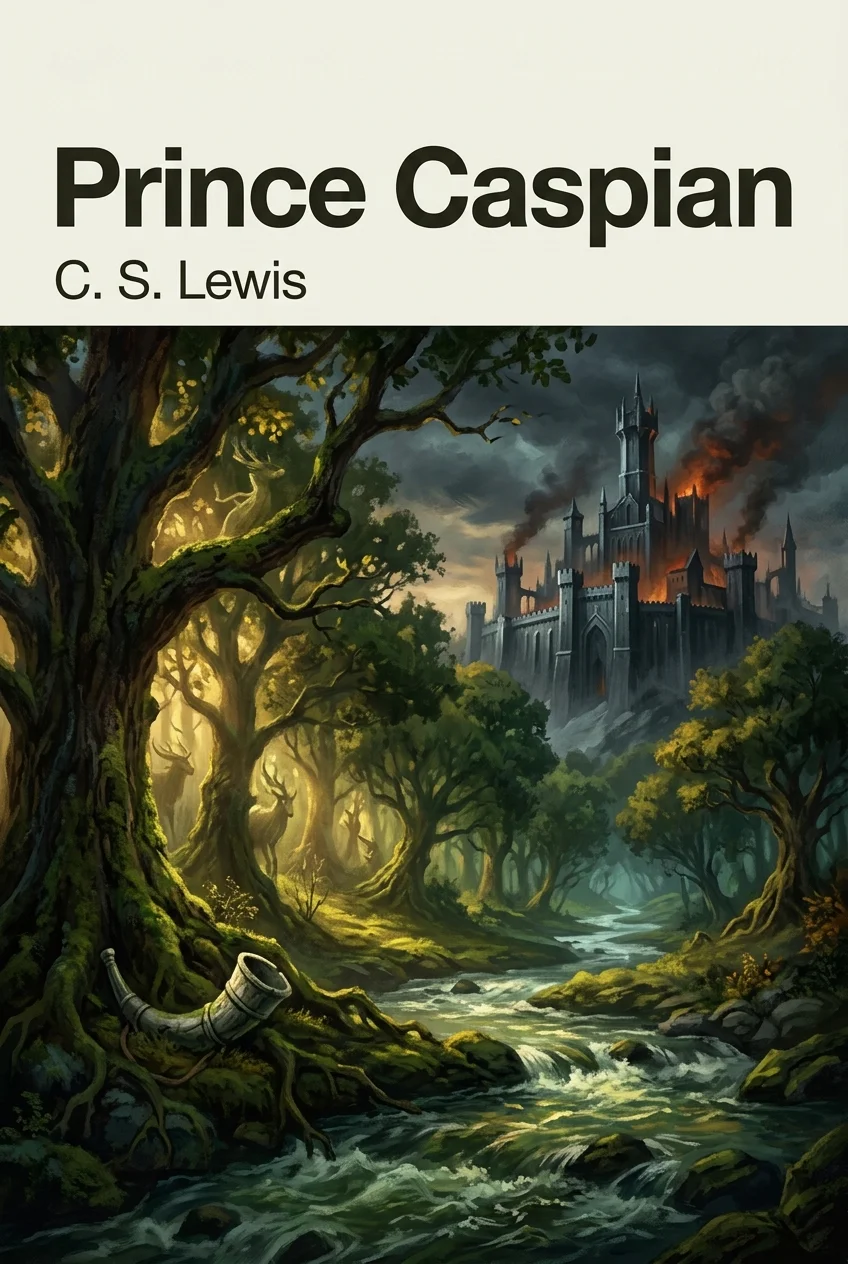
Prince Caspian
English
Transposition and Other Addresses
English
The Screwtape Letters
English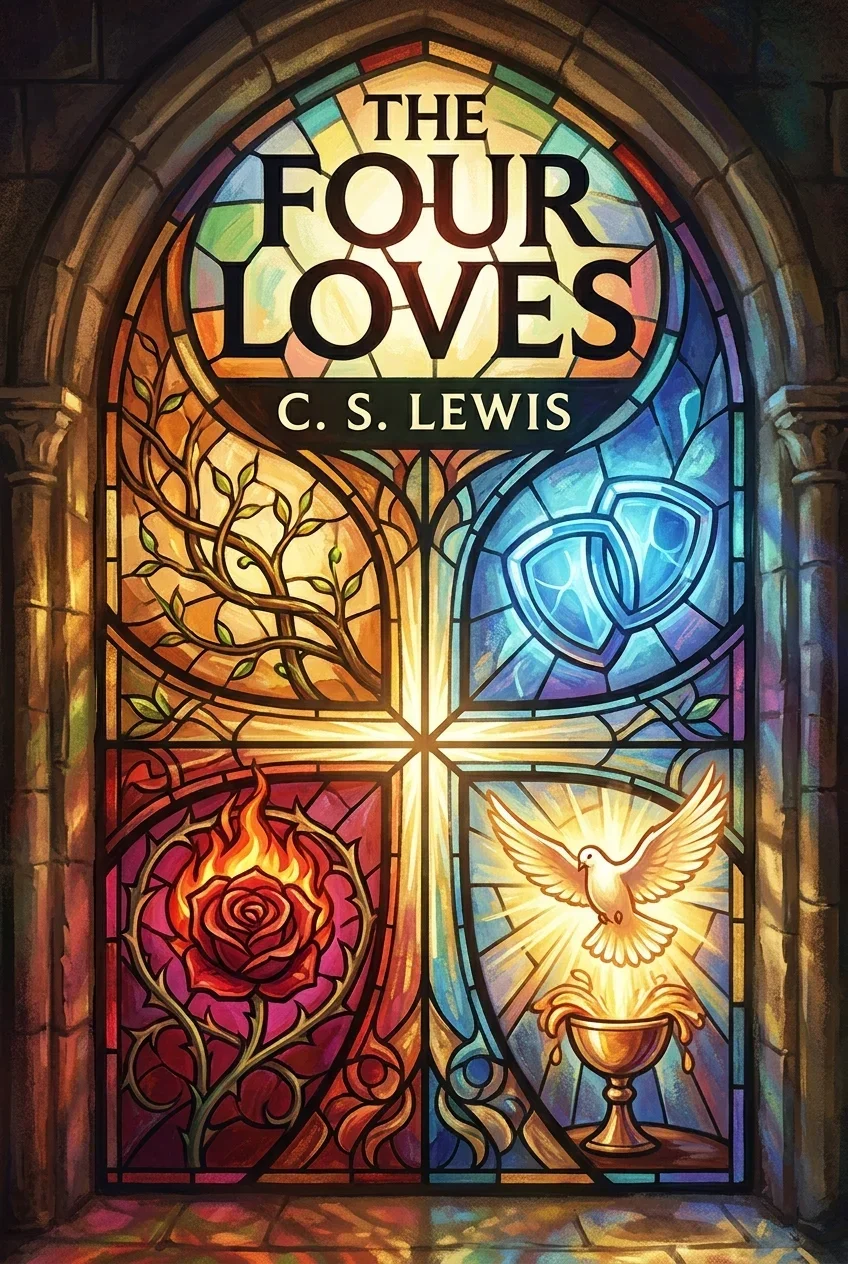
The Four Loves
English