All authors
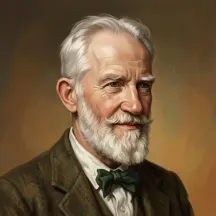
Bernard Shaw
1856 – 1950
Irish
1 bookBiography
George Bernard Shaw (1856–1950) was an Irish playwright, critic, and political activist whose work profoundly transformed modern Western drama. Writing over sixty plays during his long career, he infused traditional theatrical forms with sharp social satire, philosophical dialogue, and provocative political thought. He was awarded the Nobel Prize in Literature in 1925 for his creative work marked by both humanity and satire.
Born in Dublin, Shaw moved to London in 1876, where he established himself as an influential music and theatre critic before turning to playwriting. A committed socialist and prominent leader in the Fabian Society, he used his intellectual platforms to advocate for political reform, women's rights, and economic justice. His early struggles in London and his active involvement in public debates shaped his belief that the stage should serve as a venue for addressing major societal issues.
Throughout the late nineteenth and early twentieth centuries, Shaw achieved international fame with plays that challenged Victorian conventions and audience expectations. By combining comedic wit with serious social commentary, he created a new form of intellectual theatre that solidified his reputation as one of the most significant dramatists in the English language.
Essential Reading:
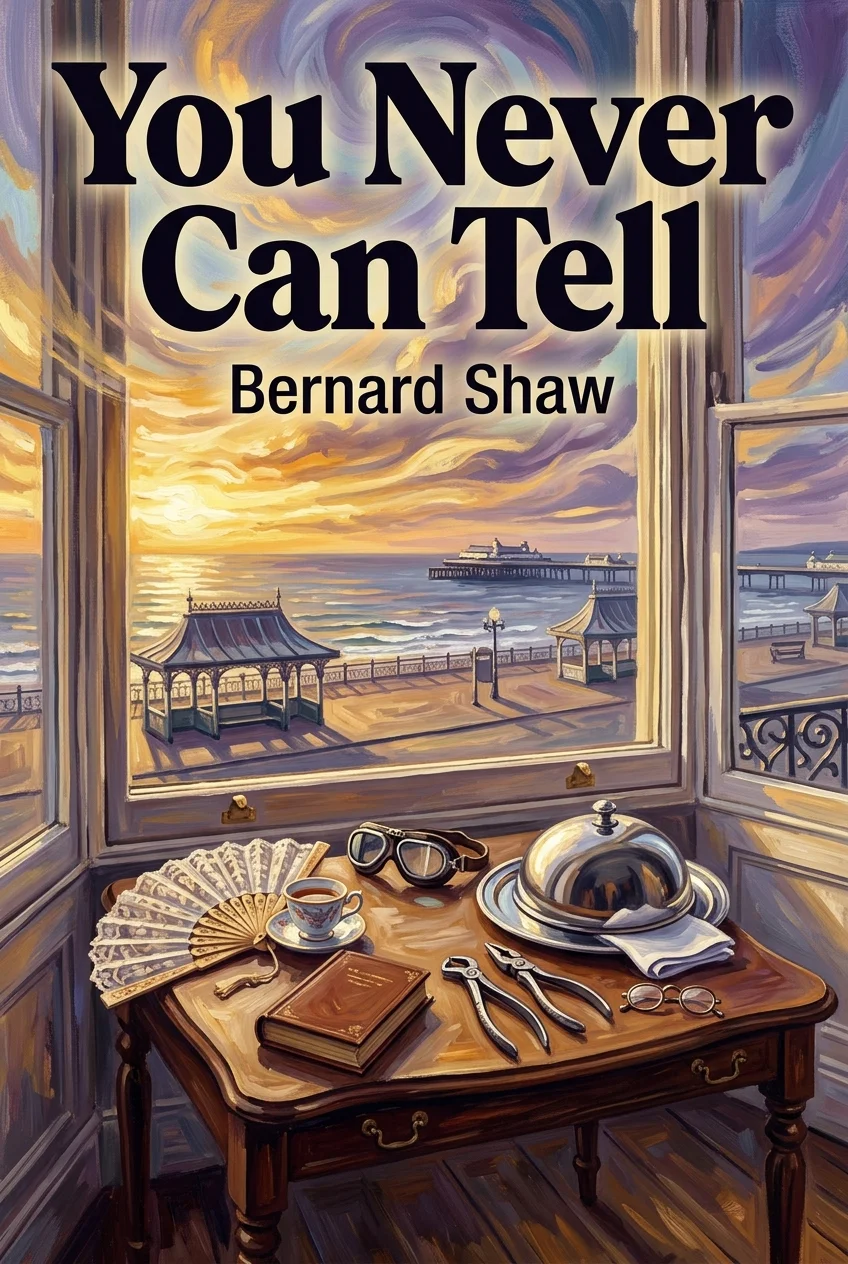
- You Never Can Tell (1897): This lighthearted four-act comedy explores love, modern womanhood, and family reconciliation when an emancipated mother and her children return to England.
- Arms and the Man (1894): A clever satirical comedy that dismantles romanticized notions of war and heroism through the unexpected choices of a practical soldier.
- Pygmalion (1913): A masterpiece examining class barriers and human identity through a linguistics professor who tries to pass a Cockney flower girl off as high society royalty.
- Saint Joan (1923): A compelling historical drama that presents Joan of Arc not as a simple religious figure, but as a complex psychological catalyst for modern history.
Born in Dublin, Shaw moved to London in 1876, where he established himself as an influential music and theatre critic before turning to playwriting. A committed socialist and prominent leader in the Fabian Society, he used his intellectual platforms to advocate for political reform, women's rights, and economic justice. His early struggles in London and his active involvement in public debates shaped his belief that the stage should serve as a venue for addressing major societal issues.
Throughout the late nineteenth and early twentieth centuries, Shaw achieved international fame with plays that challenged Victorian conventions and audience expectations. By combining comedic wit with serious social commentary, he created a new form of intellectual theatre that solidified his reputation as one of the most significant dramatists in the English language.
Essential Reading:
- You Never Can Tell (1897): This lighthearted four-act comedy explores love, modern womanhood, and family reconciliation when an emancipated mother and her children return to England.
- Arms and the Man (1894): A clever satirical comedy that dismantles romanticized notions of war and heroism through the unexpected choices of a practical soldier.
- Pygmalion (1913): A masterpiece examining class barriers and human identity through a linguistics professor who tries to pass a Cockney flower girl off as high society royalty.
- Saint Joan (1923): A compelling historical drama that presents Joan of Arc not as a simple religious figure, but as a complex psychological catalyst for modern history.