Beaumarchais
1732 – 1799
French
5 booksBiography
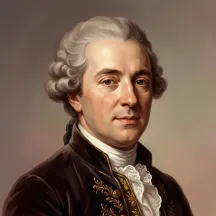
Pierre-Augustin Caron de Beaumarchais (b. 1732) was a French polymath who achieved lasting fame as a playwright, musician, and diplomat. He is best defined by his sharp wit and his pivotal role in the Enlightenment, particularly through his revolutionary comedies that critiqued social hierarchy and aristocratic privilege.
Born in Paris to a watchmaker, Beaumarchais initially trained in horology before inventing an improved escapement mechanism, which brought him early recognition at the royal court. His diverse career included serving as a secret agent for King Louis XV and actively supporting the American Revolution by supplying arms to the insurgents, experiences that deeply informed his understanding of political intrigue and justice. These real-world engagements with power structures provided the substantive backbone for his dramatic works, allowing him to infuse his comedies with authentic social commentary rather than mere farce.
His literary legacy rests primarily on the Figaro trilogy, which transformed European theater by introducing complex, socially conscious characters who challenged the established order. The immense popularity of these plays highlighted the growing discontent with the Ancien Régime and demonstrated his unique ability to blend humor with serious philosophical critique. His life ended in 1799, but his influence on the development of modern drama and opera remains profound, bridging the gap between classical comedy and romantic realism.
Essential Reading
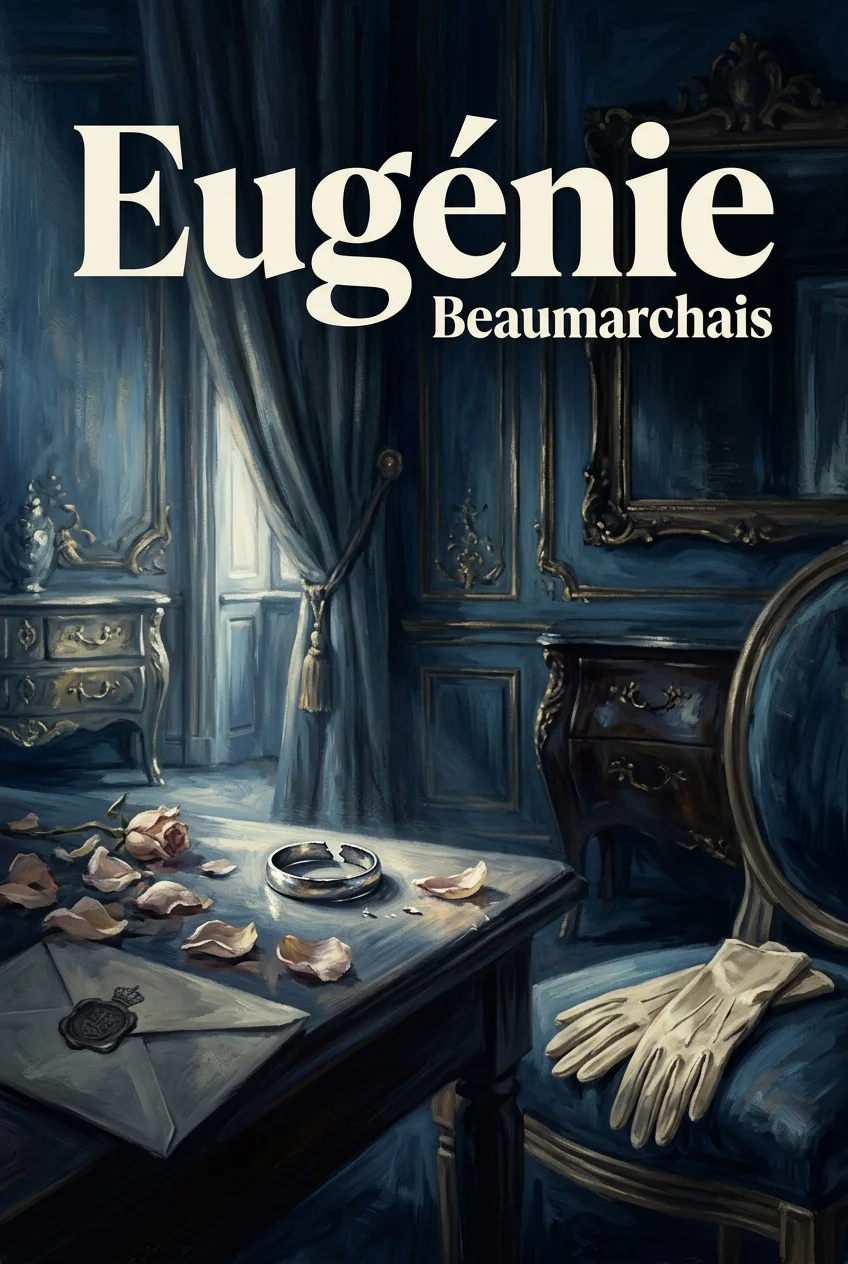
- Eugénie (1767): This early serious drama explores themes of familial duty and romantic sacrifice, marking Beaumarchais's initial foray into theatrical writing before his comedic masterpieces.
- Les Deux Amis, ou Le Négociant de Lyon (The Two Friends, or The Merchant of Lyon) (1770): A prose drama that reflects the author's interest in commerce and moral integrity, showcasing his versatility beyond pure comedy.
- Le Barbier de Séville (The Barber of Seville) (1775): This lively comedy introduces the cunning barber Figaro, whose wit and resourcefulness help resolve romantic entanglements while subtly mocking aristocratic pretension.
- Le Mariage de Figaro (The Marriage of Figaro) (1784): A biting satire of noble privilege, this play features Figaro’s famous monologue on social inequality and served as a cultural precursor to the French Revolution.
- L'Autre Tartuffe ou La Mère coupable (The Other Tartuffe, or The Guilty Mother) (1792): The final installment of the Figaro trilogy shifts to a more somber tone, addressing themes of redemption and the consequences of past actions in a post-revolutionary context.