1888 - 1955
Kadriya Hussein (1888–1955) was an Egyptian princess, writer, painter, and prominent intellectual who made pioneering contributions to modern Islamic women's literature and historical scholarship. As the daughter of Sultan Hussein Kamel of Egypt, she used her royal standing and extensive education to advocate for cultural preservation, women's empowerment, and political reform across the Arab and Ottoman worlds.
Born in Cairo, Princess Kadriya received a rigorous education in history, literature, and fine arts, developing fluency in Arabic, Turkish, and French. Following the political upheavals of the early twentieth century, she moved between Egypt, France, and Turkey, engaging closely with the literary salons and anti-colonial movements of the era. Her firsthand observations of the collapse of the Ottoman Empire and the rise of the Turkish Republic deeply influenced her creative output and intellectual interests.
Throughout her life, Kadriya Hussein dedicated herself to documenting the history of Muslim women and supporting national liberation efforts through her written works. Her writings combined personal reflections, political commentary, and historical biography, serving as a vital bridge between Eastern and Western cultural discourses. Beyond her literary career, she was also an accomplished visual artist whose paintings were exhibited internationally.
Essential Reading
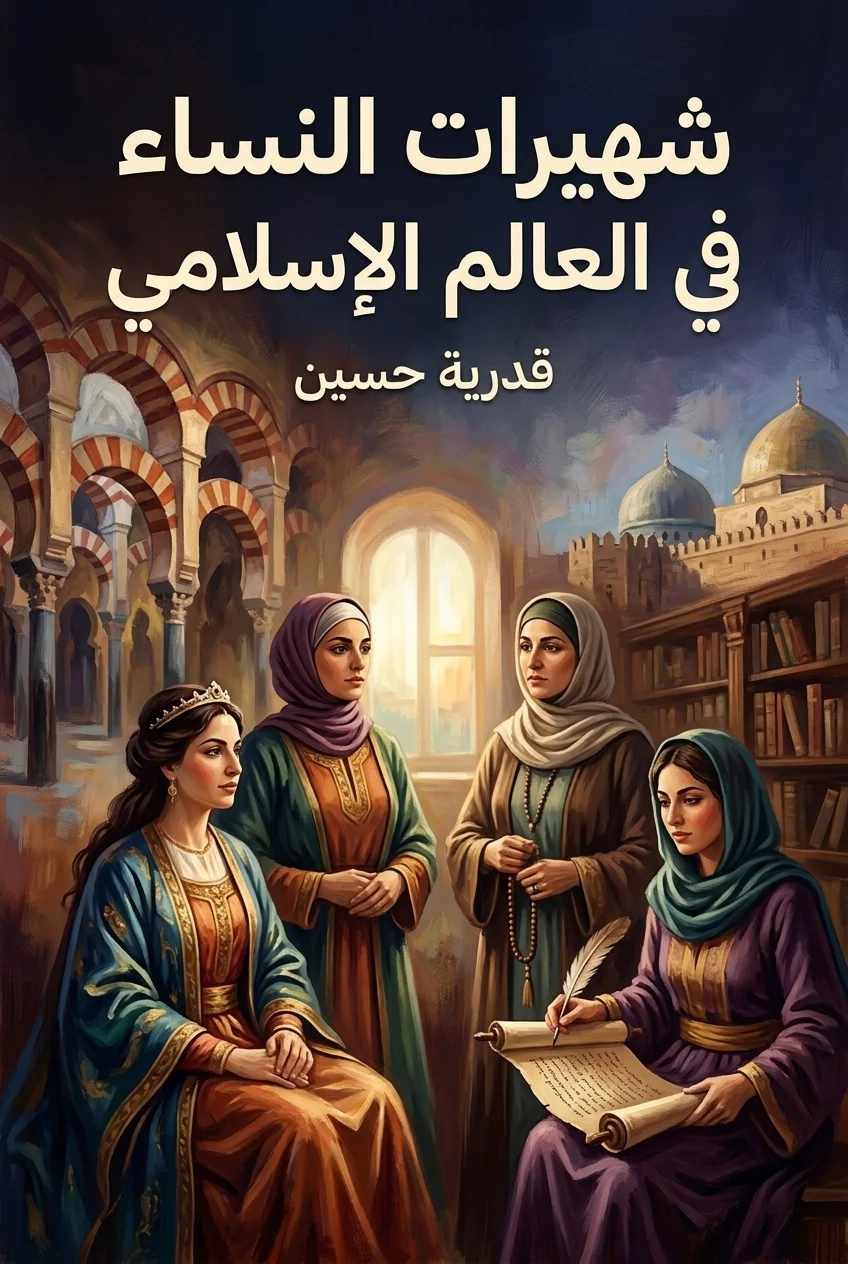
- Famous Women in the Islamic World (1924): A groundbreaking historical compilation that highlights the biographies, leadership, and achievements of influential women throughout Islamic history.
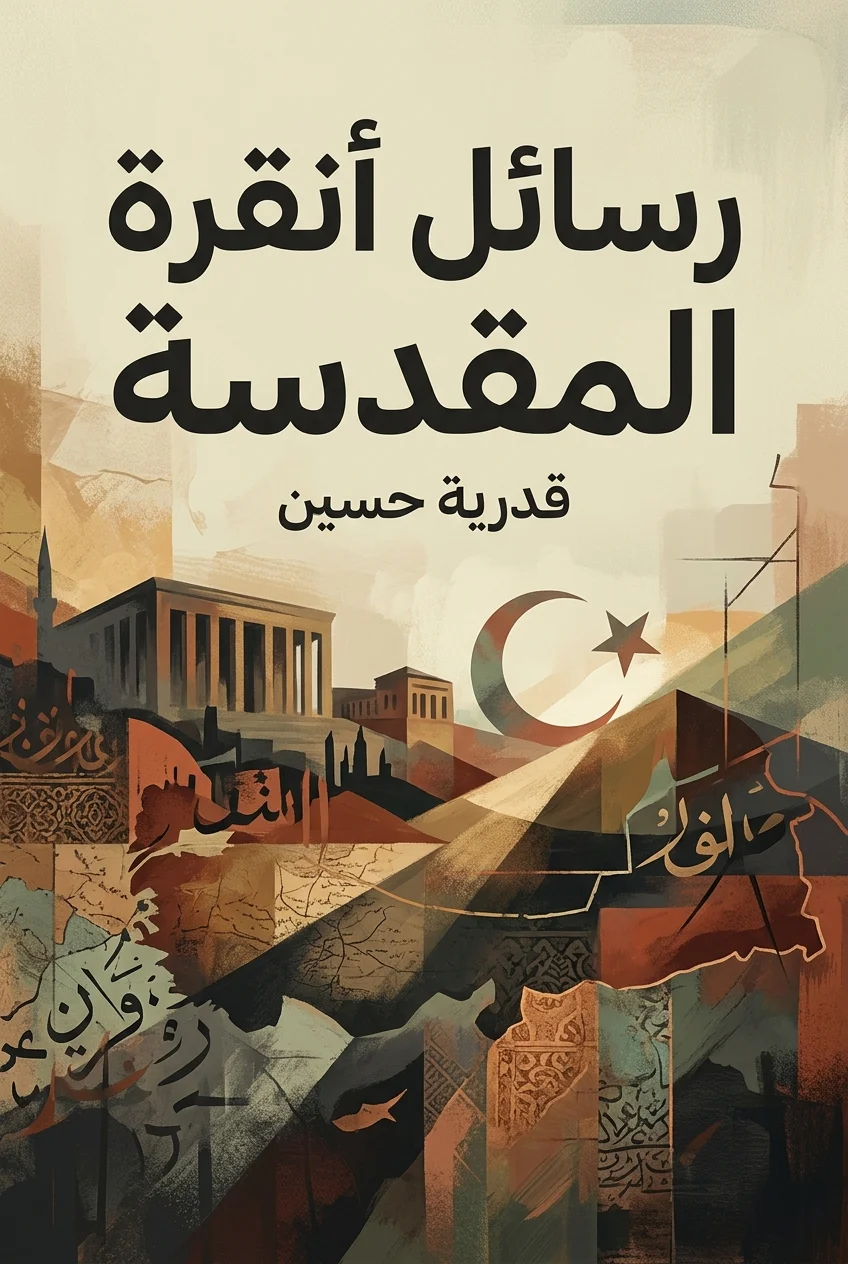
- Sacred Letters from Ankara (1922): A powerful collection of epistolary essays detailing the Turkish War of Independence and capturing the political spirit of the Anatolian resistance movement.
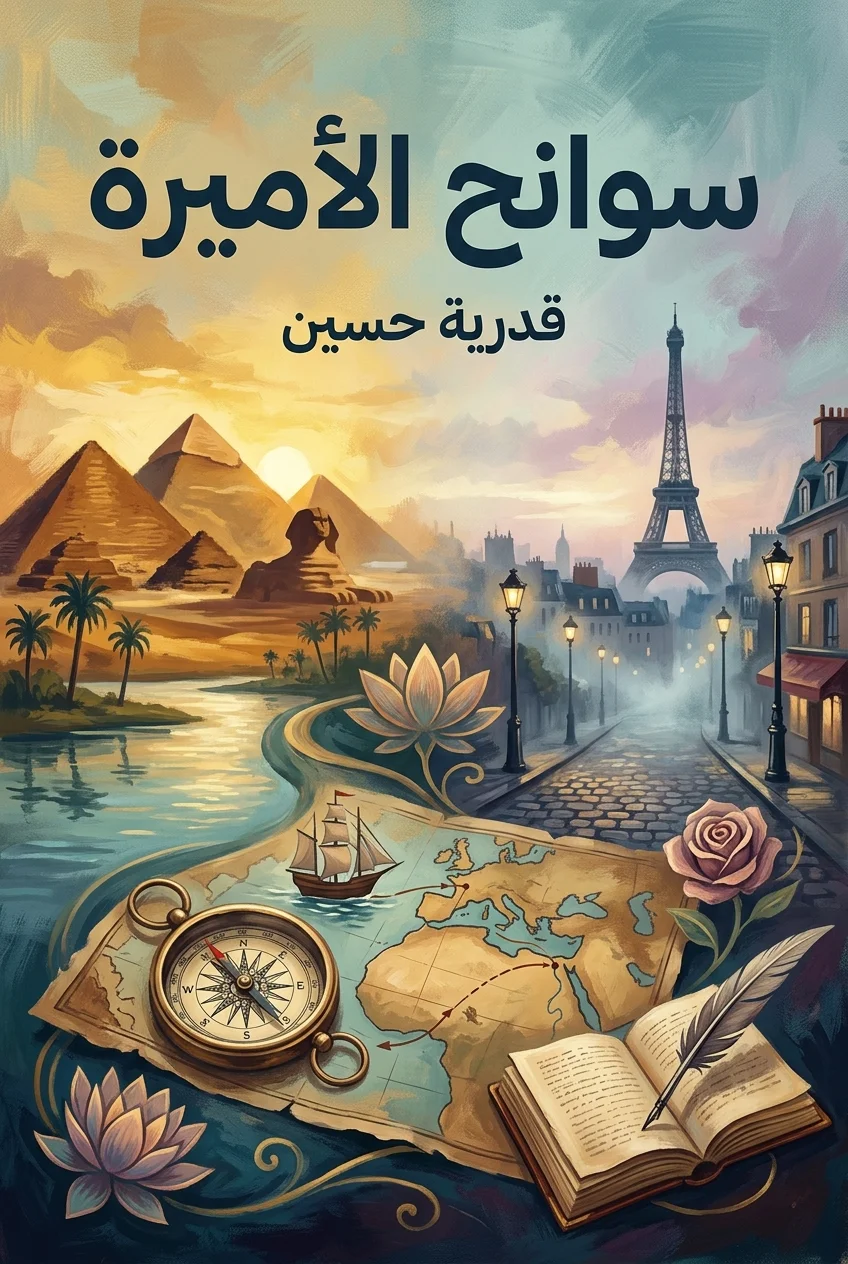
- Princess's Thoughts (1920): An introspective literary work blending personal essays, philosophical reflections, and observations on society, culture, and women's roles in a rapidly changing world.