1861 - 1914
Jurji Habib Zaydan (1861 - 1914) was a Lebanese writer, novelist, and historian, considered one of the most prominent pioneers of the modern Arab Renaissance and the founder of the historical novel in the Arabic language. He was renowned for establishing the venerable cultural magazine "Al-Hilal" and for his unique contribution to simplifying Arab and Islamic history, presenting it to readers in an engaging narrative format that combined entertainment and knowledge.
Zaydan was born in Beirut to a poor Christian family and was forced to leave school early to work. However, his passion for knowledge led him to learn languages and enroll in medical school before emigrating to Egypt in 1883. In Cairo, he found fertile ground for journalistic and literary work, where he became involved in editing newspapers and worked as a translator, which deepened his understanding of regional history.
His travels and extensive reading contributed to shaping his literary vision, leading him to write his famous series "Novels of the History of Islam" with the aim of reviving heritage and strengthening national identity. His style was characterized by simplicity, clarity, and a focus on dramatic plot, blending real historical facts with fictional romantic stories to attract and educate readers.
Key Works:
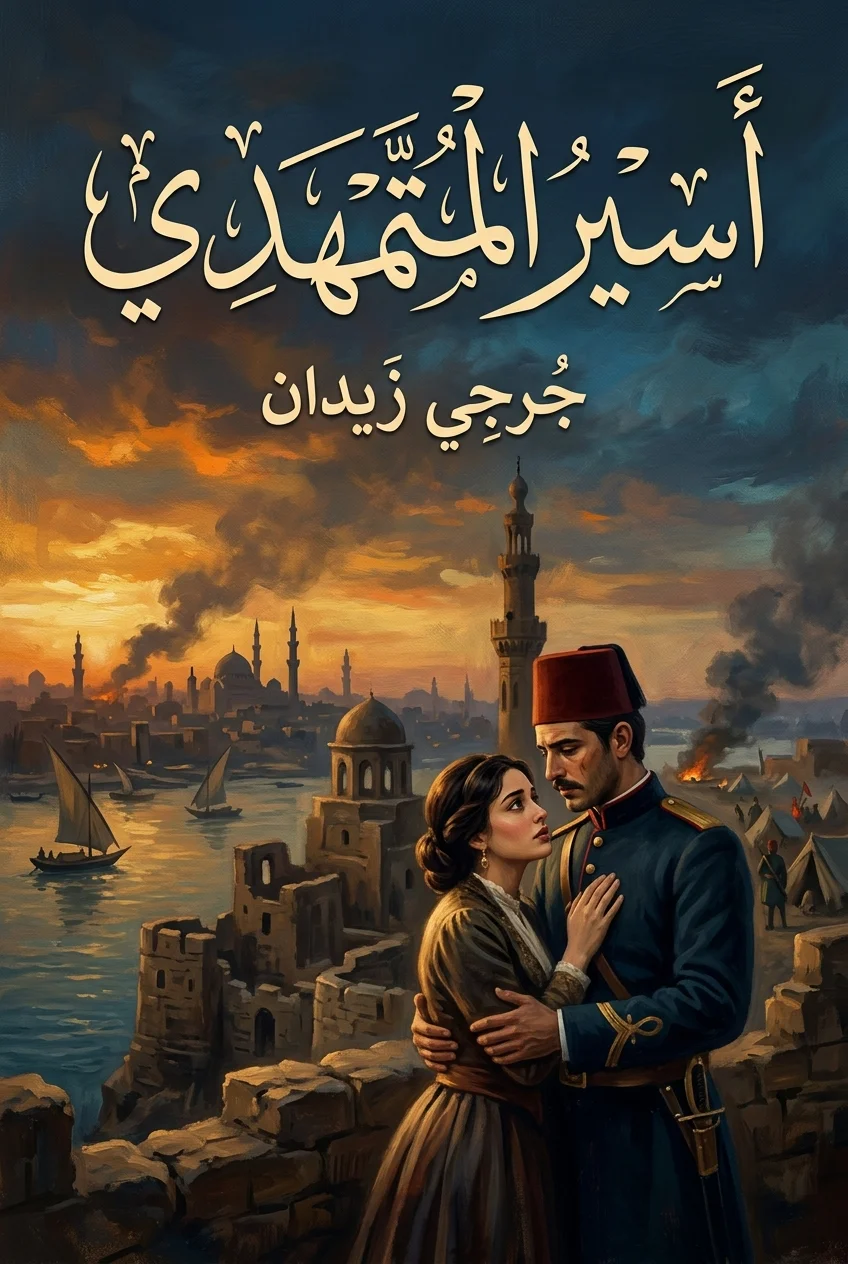
- The Captive of the Mahdi (1892): Its events revolve around the Mahdist Revolution in Sudan and the suffering of prisoners, in a style that blends realism and excitement.
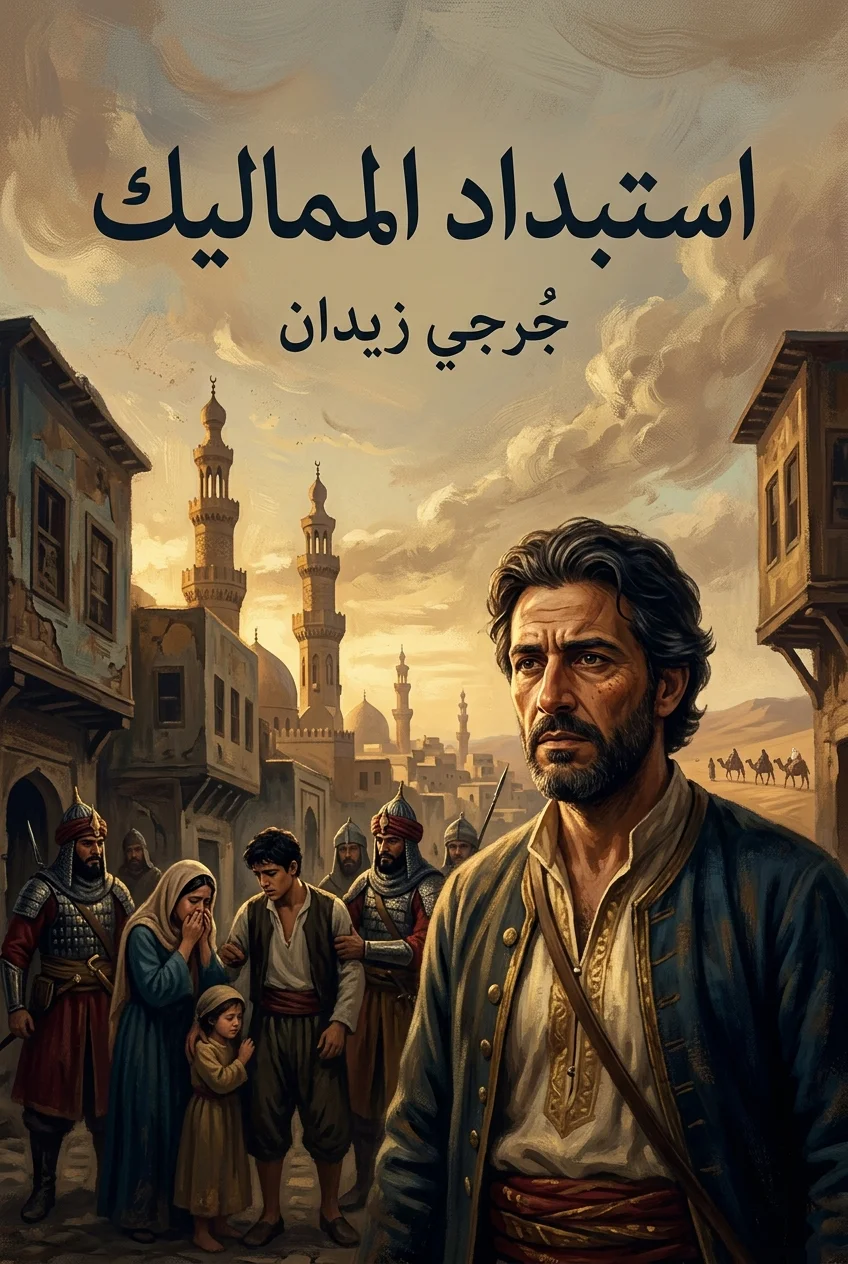
- The Tyranny of the Mamluks (1893): Depicts the injustices of the Mamluks in Egypt, the end of their era, and the internal conflicts that weakened their rule.
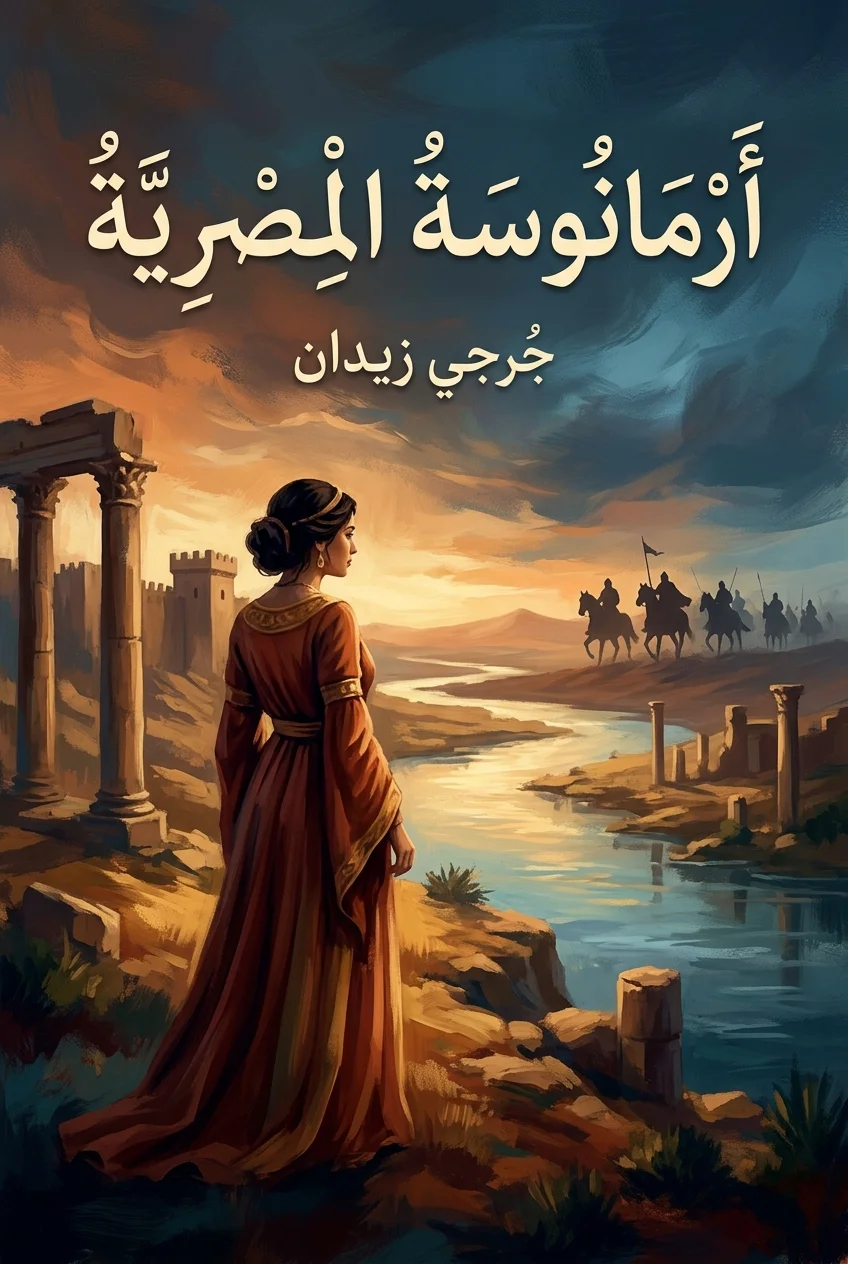
- Armanousa the Egyptian (1896): Deals with the Islamic conquest of Egypt led by Amr ibn al-Aas through an exciting love story.
- 17 Ramadan (1900): Dramatically narrates the events of the Great Fitna, the assassination of Caliph Ali ibn Abi Talib, and the Kharijite conspiracy.
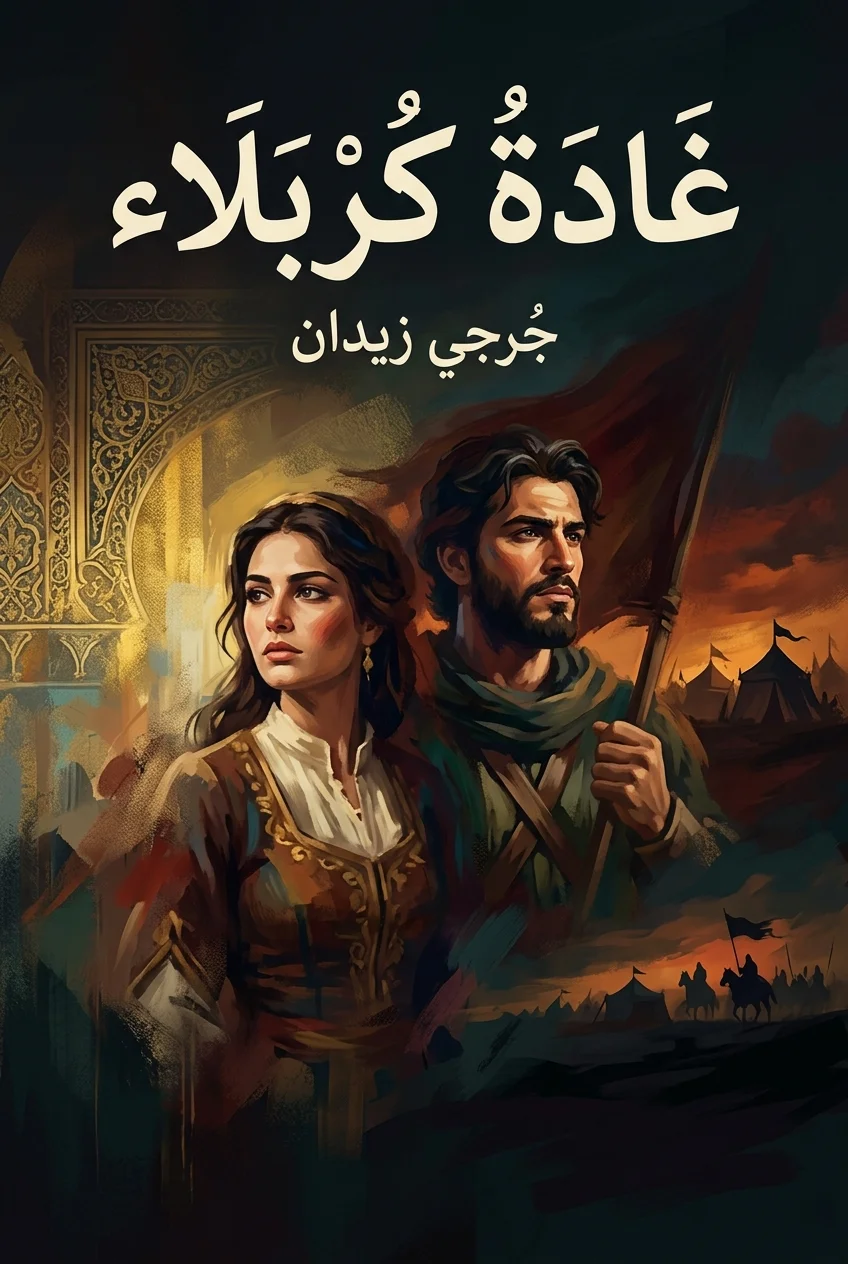
- Ghada Karbala (1901): Recounts the tragedy of the martyrdom of Hussein ibn Ali in the Battle of Karbala and its profound impact on history.
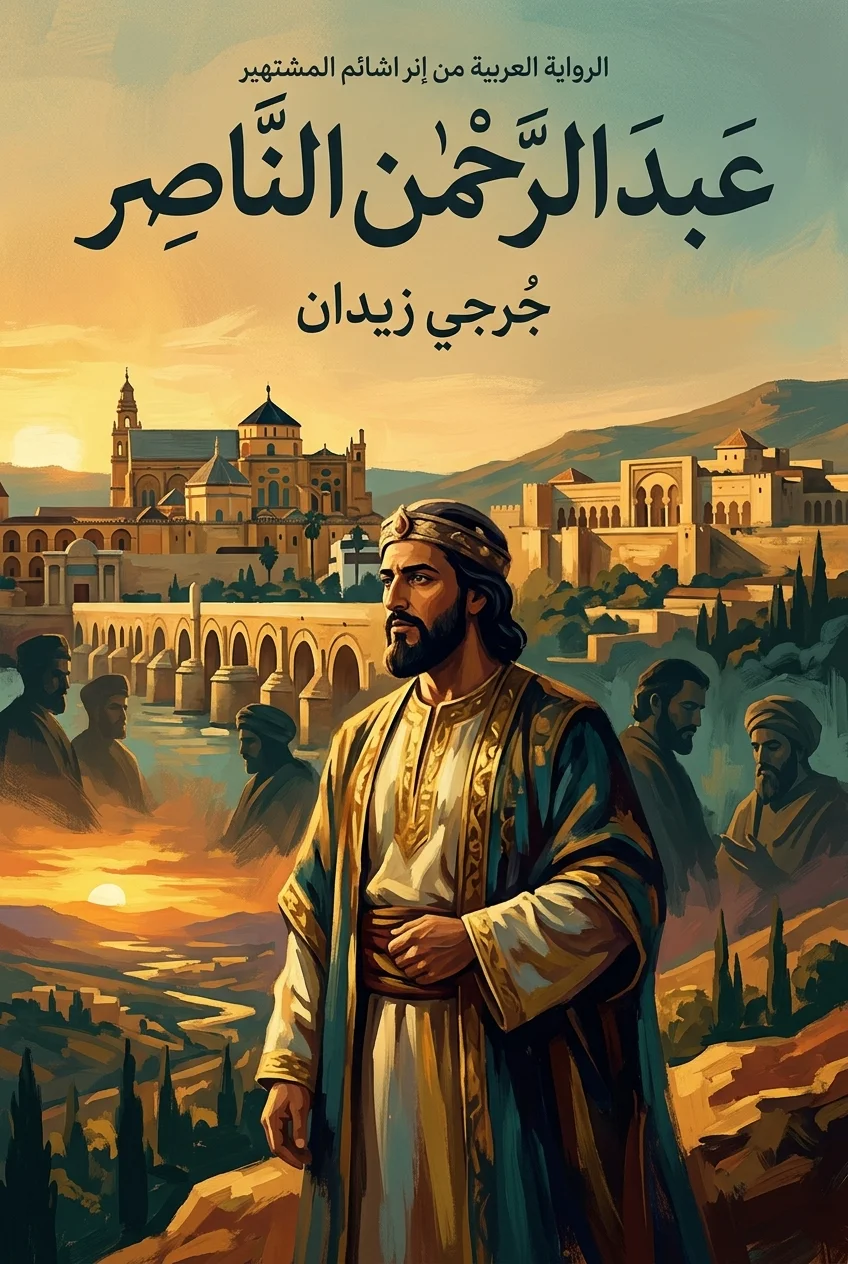
- Abd al-Rahman al-Nasir (1902): Depicts the era of Andalusian prosperity, the struggles for power, and intrigues in Cordoba.
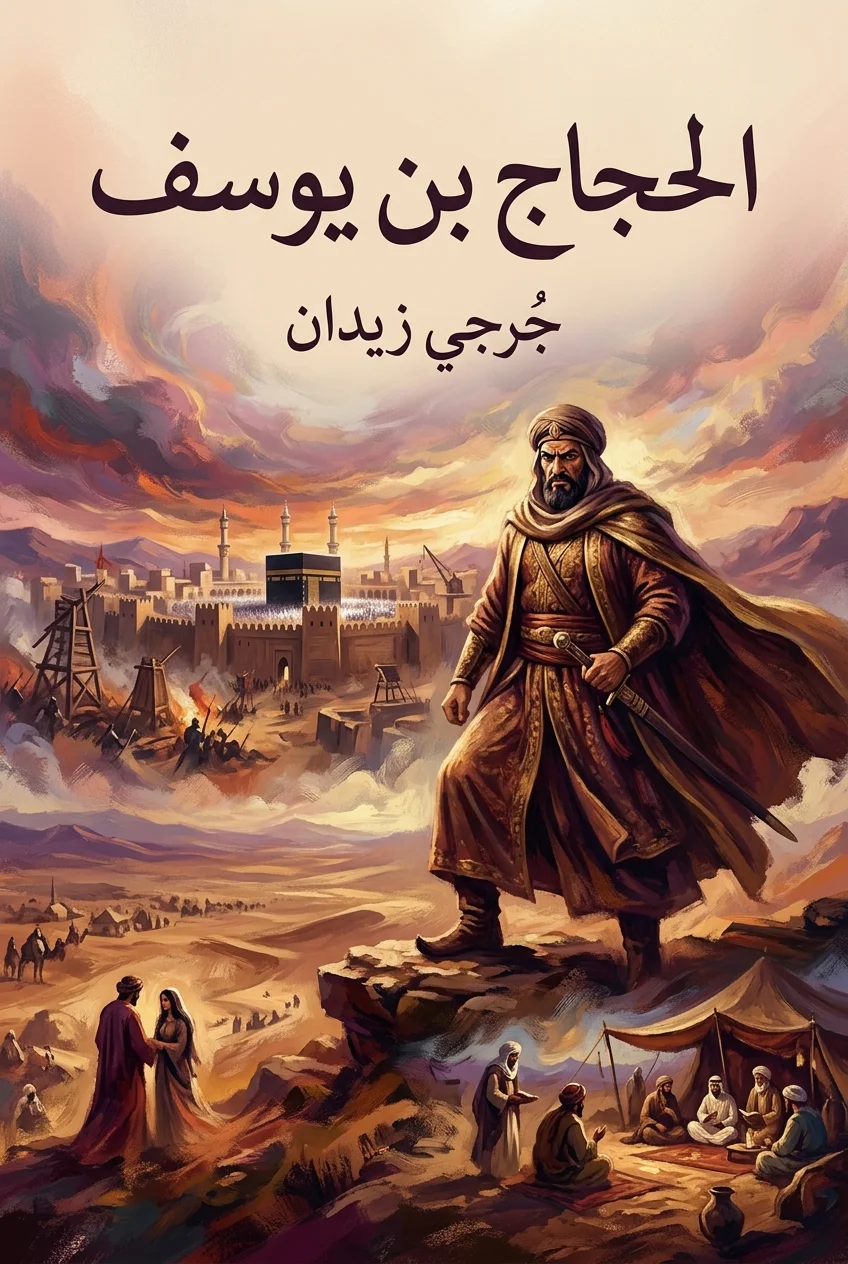
- Al-Hajjaj ibn Yusuf (1902): Highlights the personality of Al-Hajjaj al-Thaqafi and his role in consolidating the pillars of the Umayyad state.
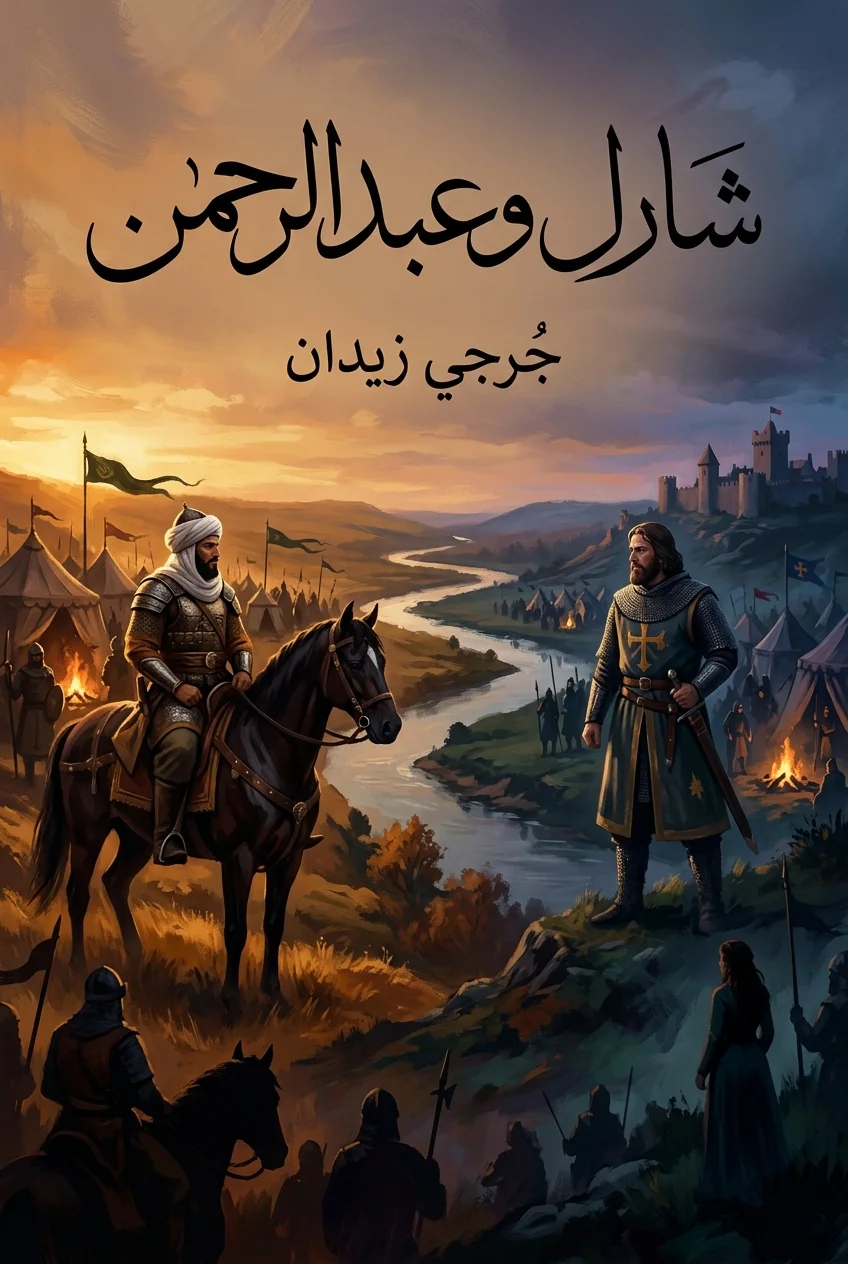
- Charles and Abd al-Rahman (1904): Narrates the details of the Battle of Tours (Balat al-Shuhada) and the great confrontation between the Muslim army and the Franks.
- Abu Muslim al-Khorasani (1905): Reviews the fall of the Umayyad state and the rise of the Abbasid state, focusing on the role of this leader.
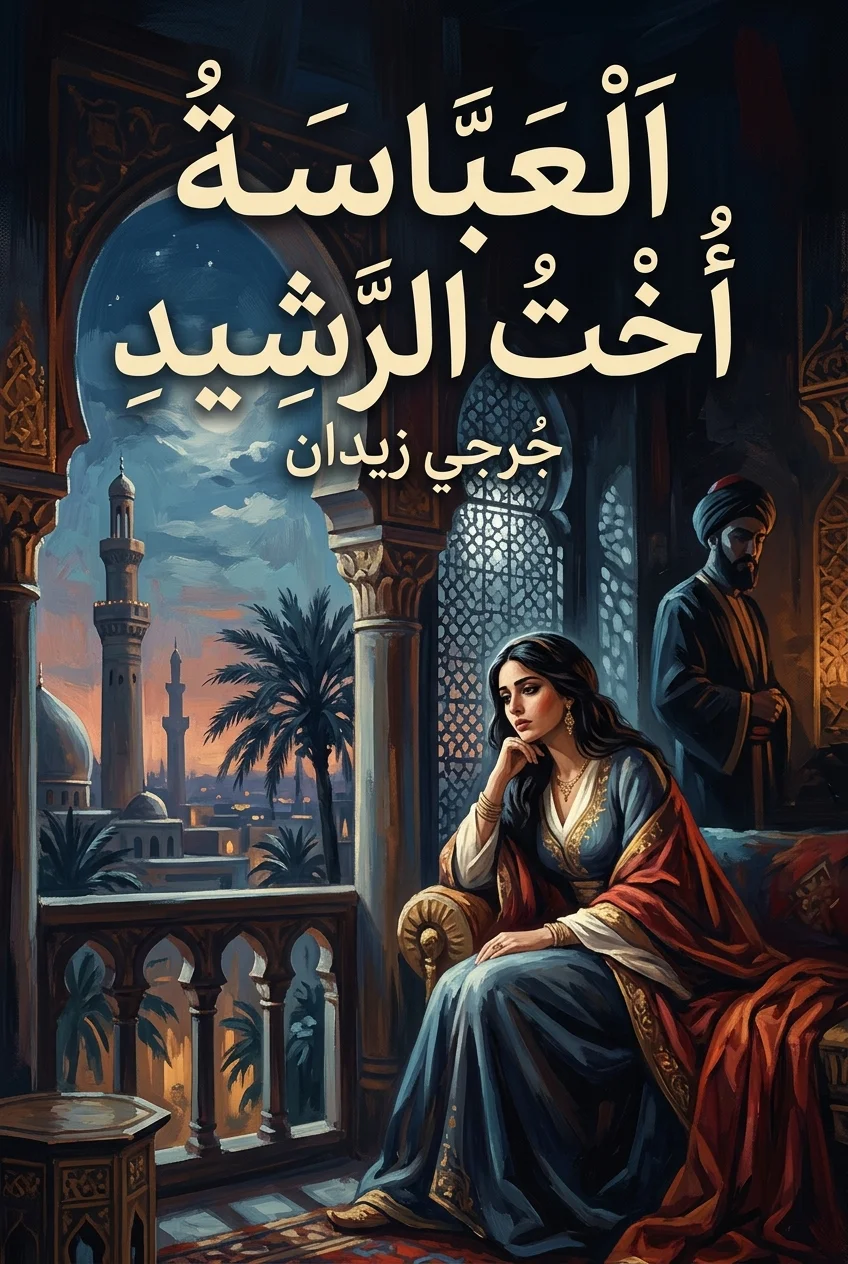
- Al-Abbasa, Sister of Al-Rashid (1906): Presents the story of the famous Barmakid catastrophe during the reign of Caliph Harun al-Rashid, in a style that blends love with politics.
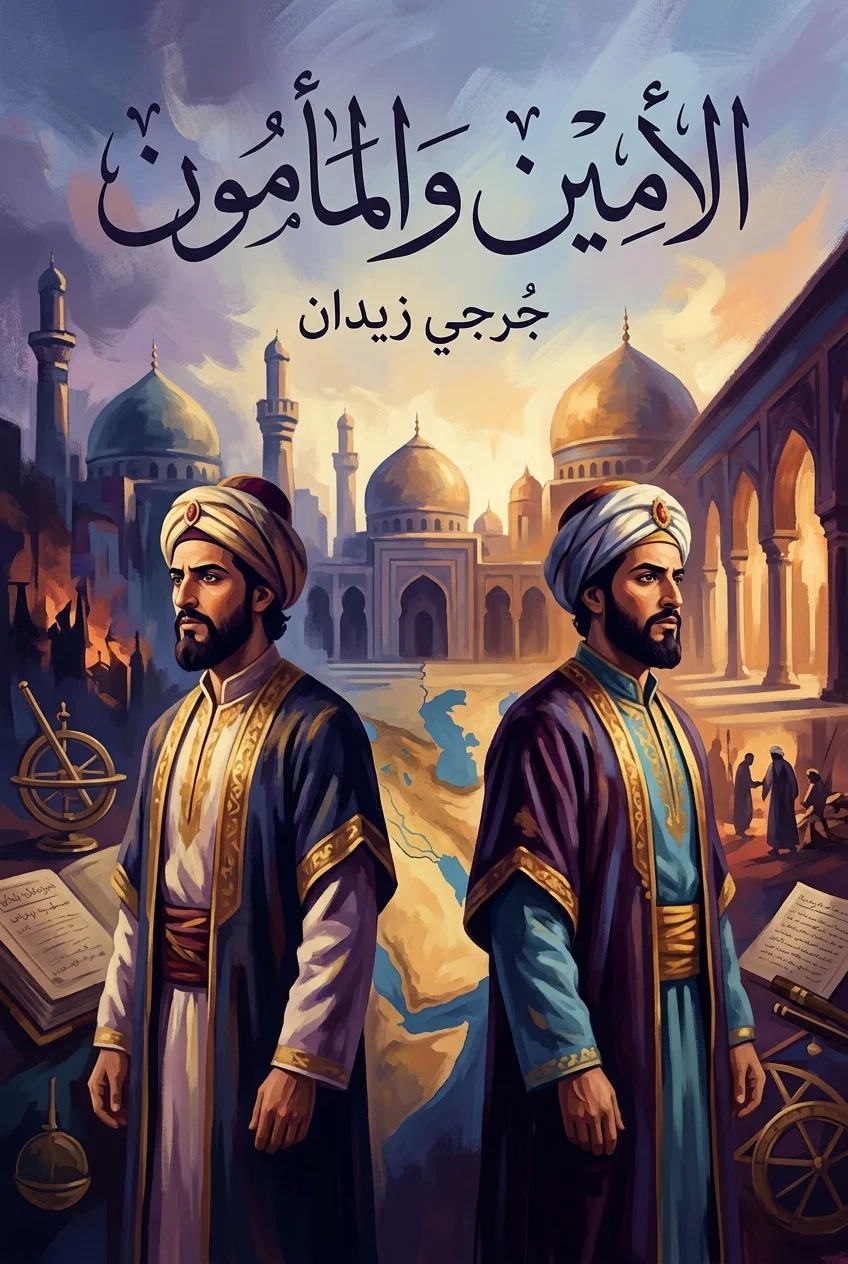
- Al-Amin and Al-Ma'mun (1907): Deals with the bloody struggle for power between the two brothers, sons of Harun al-Rashid, and its impact on the Caliphate.
- The Ottoman Coup (1911): Monitors the major political transformations in the Ottoman Empire and the overthrow of Sultan Abdul Hamid II by the Committee of Union and Progress.
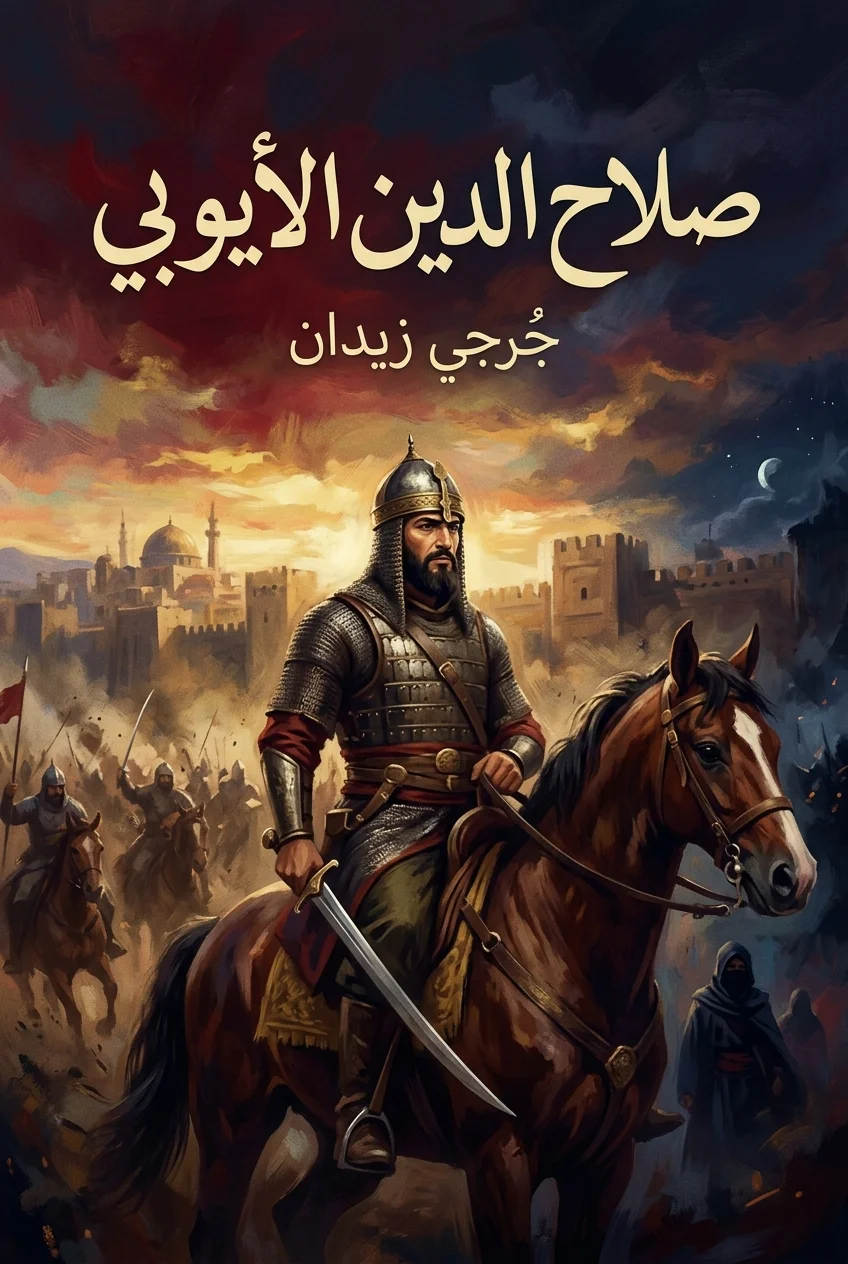
- Salah al-Din al-Ayyubi (1913): Narrates the biography of the famous leader, his wars against the Crusaders, and the recapture of Jerusalem, highlighting values of courage.
- Ahmad ibn Tulun (1914): Reviews the establishment of the Tulunid state in Egypt, its independence from the Abbasid Caliphate, and a depiction of social life.
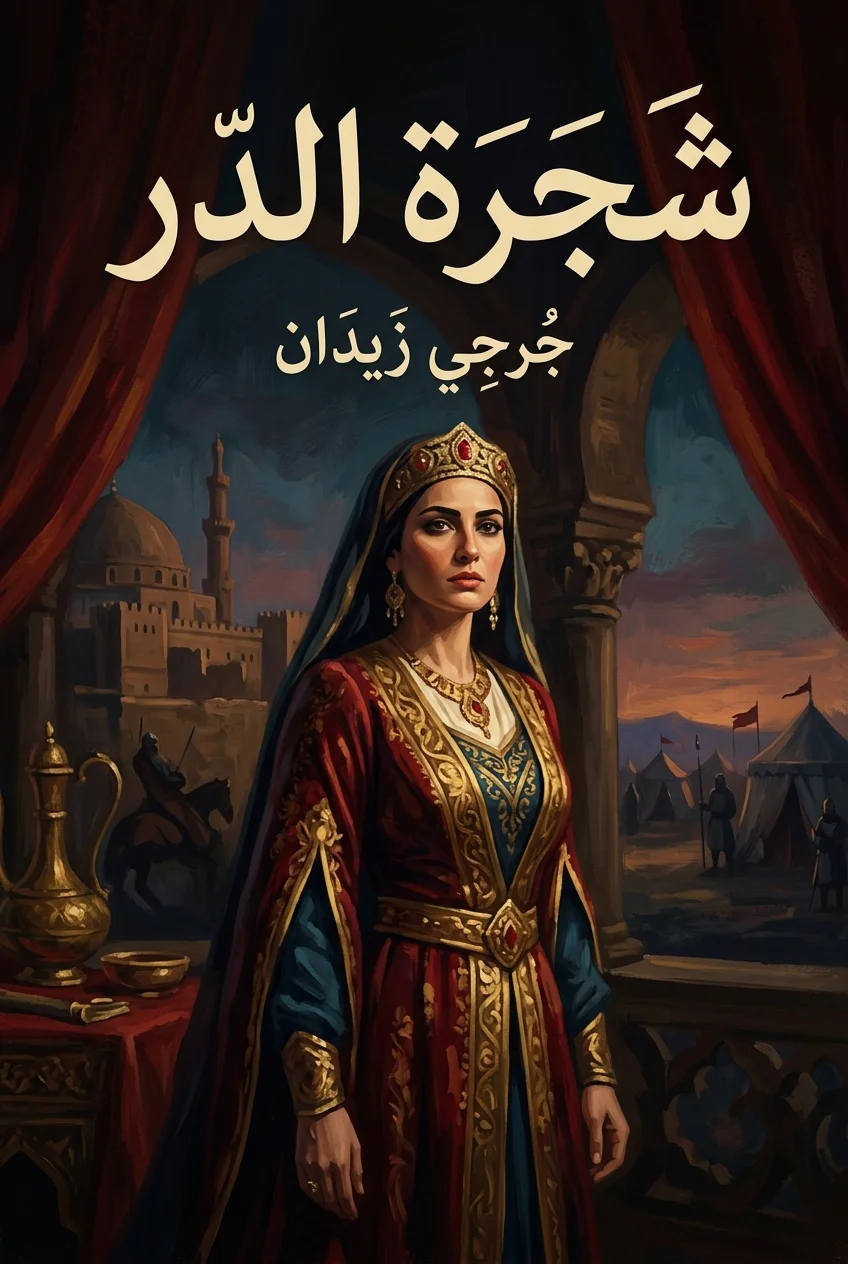
- Shajar al-Durr (1914): Deals with the end of the Ayyubid state and the beginning of the Mamluk era through the story of the rise and fall of the famous queen.