Vladimir Lenin
1870 – 1924
Russian
1 bookBiography
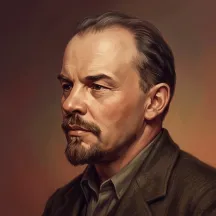
Vladimir Ilyich Lenin (born 1870) was a Russian revolutionary, politician, and political theorist who served as the first head of government of Soviet Russia and later the Soviet Union. He was the founder of the Bolshevik Party and developed the Marxist-Leninist ideological framework that reshaped 20th-century global geopolitics. His comprehensive political writings established foundational concepts in socialist theory, revolutionary strategy, and anti-imperialism.
Born in Simbirsk, Russia, Lenin embraced radical politics following the 1887 execution of his older brother for revolutionary activities against the Tsar. He studied law, delved deep into Marxist literature, and was exiled to Siberia in 1897 for his political organizing. After his exile ended, he spent years in Western Europe guiding the Bolshevik faction of the Russian Social Democratic Labour Party and authoring key political pamphlets.
Lenin returned to Russia in 1917, leading the October Revolution that replaced the Provisional Government with a Soviet state. He led the country through the Russian Civil War and introduced economic reforms such as the "New Economic Policy" in 1921. His experiences during these pivotal historical events were directly reflected in his prolific writings on governance, statecraft, and political philosophy.
Essential Readings
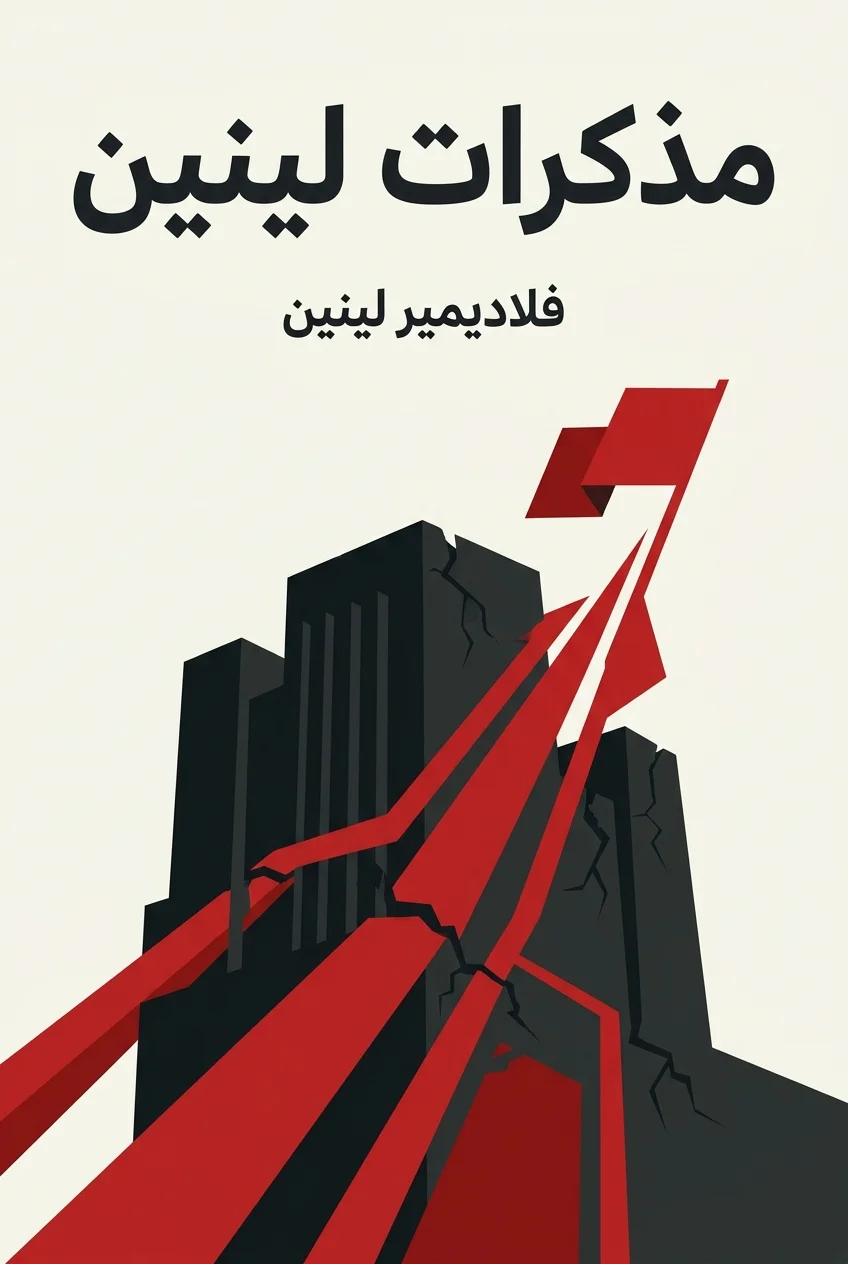
- Lenin's Memoirs (مذكرات لينين) (1927): Personal and political reflections recounting the details of Lenin's revolutionary experiences, ideology, and key decisions during Russia's period of transformation.
- What Is To Be Done? (ما العمل؟) (1902): A pivotal political pamphlet calling for the formation of a vanguard party of professional revolutionaries to lead the working class toward socialism.
- Imperialism, the Highest Stage of Capitalism (الإمبريالية أعلى مراحل الرأسمالية) (1917): An influential economic treatise analyzing how monopoly finance capital drives colonial expansion and international conflict.
- The State and Revolution (الدولة والثورة) (1917): A foundational political work exploring the nature of the state, the dictatorship of the proletariat, and the transition to a stateless society.