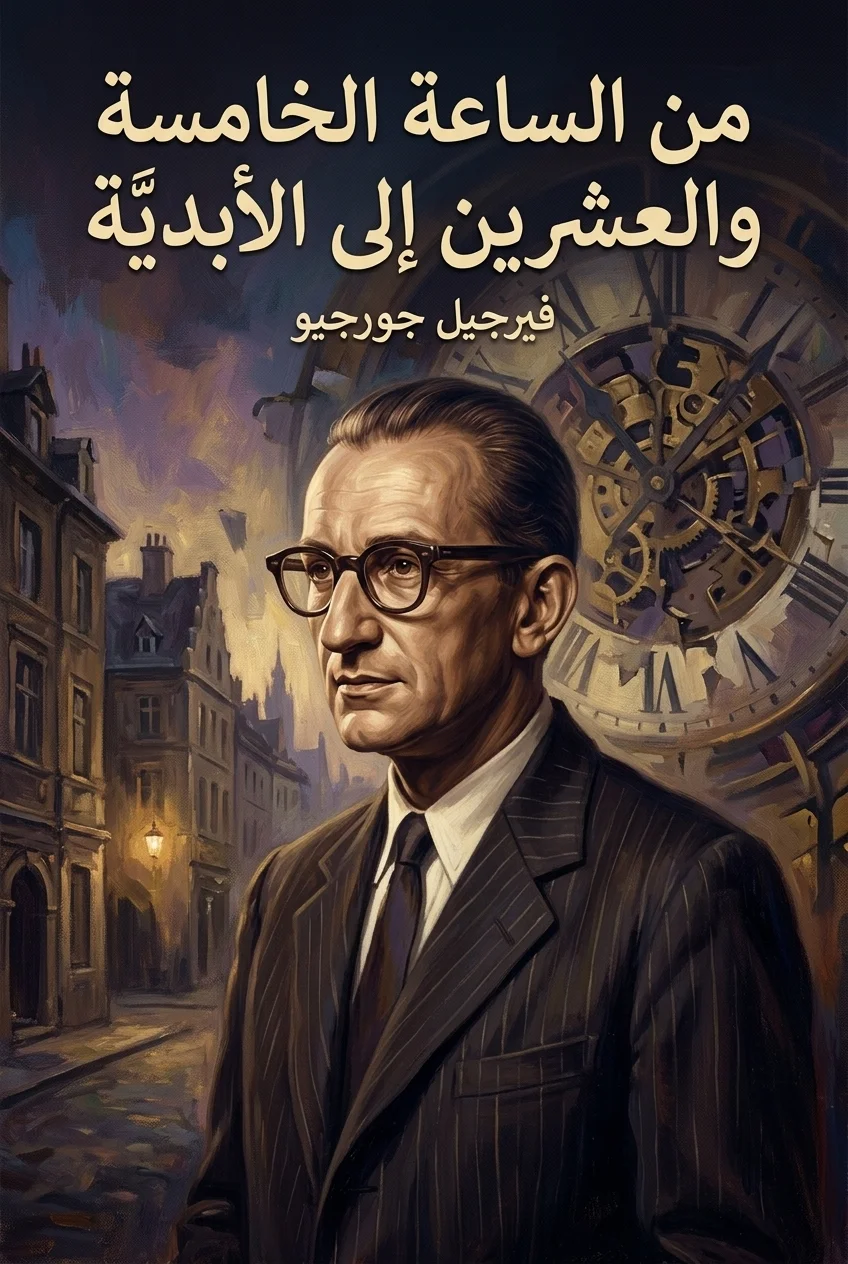
Virgil Gheorghiu
1916 – 1992
Romanian
2 booksBiography
Constantin Virgil Gheorghiu (1916–1992) was a Romanian novelist and Eastern Orthodox priest, famous for his scathing critique of modern societal bureaucracy and totalitarian regimes. He gained international acclaim through his impactful literary works in which he explored the individual's struggles against political systems that strip them of their humanity.
Gheorghiu was born in Valea Albă, Romania, and studied philosophy and theology at the University of Bucharest and Heidelberg University. During World War II, he served as a diplomat in the Romanian Ministry of Foreign Affairs, but Allied forces later imprisoned him after the war. His direct experience in captivity and his confrontation with wartime bureaucratic absurdities deeply influenced his writings and provided the raw material for his most famous novels.
After his release, Gheorghiu settled in France, where he was ordained as a Romanian Orthodox priest in Paris in 1963. He spent the rest of his life serving his parish and authoring numerous books in French, reflecting on spiritual resilience, exile, and human suffering. His literary career was distinguished by a deep commitment to revealing how modern technology and politics threaten human dignity.
Essential Readings
- From the Twenty-Fifth Hour to Eternity (من الساعة الخامسة والعشرين إلى الأبديّة) (1965): Originally published in French and translated into Arabic under the title "From the Twenty-Fifth Hour to Eternity (من الساعة الخامسة والعشرين إلى الأبديّة)", this autobiographical masterpiece reflects on the author's spiritual journey, his wartime exile, and his transformation from a political prisoner into a priest.
- The Twenty-Fifth Hour (الساعة الخامسة والعشرون) (1949): This globally acclaimed novel depicts a Romanian peasant trapped in the absurd and inhumane machinery of European concentration camps during World War II.