Robert Louis Stevenson
1850 – 1894
Scottish
7 booksBiography
Robert Louis Stevenson (1850–1894) was a Scottish novelist, poet, and travel writer celebrated for his profound impact on the adventure and gothic horror genres. His mastery of narrative tension and psychological depth earned him a lasting place as one of the most translated authors in literary history.
Born in Edinburgh, Stevenson was the son of a prominent lighthouse engineer, a profession he initially studied before turning to law and finally his true passion for literature. His lifelong struggle with chronic respiratory illness forced him to travel extensively in search of warmer climates, leading him to France, the United States, and eventually the South Pacific. These journeys provided the rich atmospheric details and diverse cultural settings that would define his most famous travelogues and adventure novels.
In 1880, Stevenson married Fanny Van de Grift Osbourne, and during this period of personal stability, he produced his most iconic works despite his failing health. He eventually settled in Samoa in 1890, where he became a respected figure among the local population and an advocate for their political rights. His time in the tropics influenced his later writing, blending his Scottish heritage with the exoticism of his adopted home until his sudden death at the age of forty-four.
Essential Reading
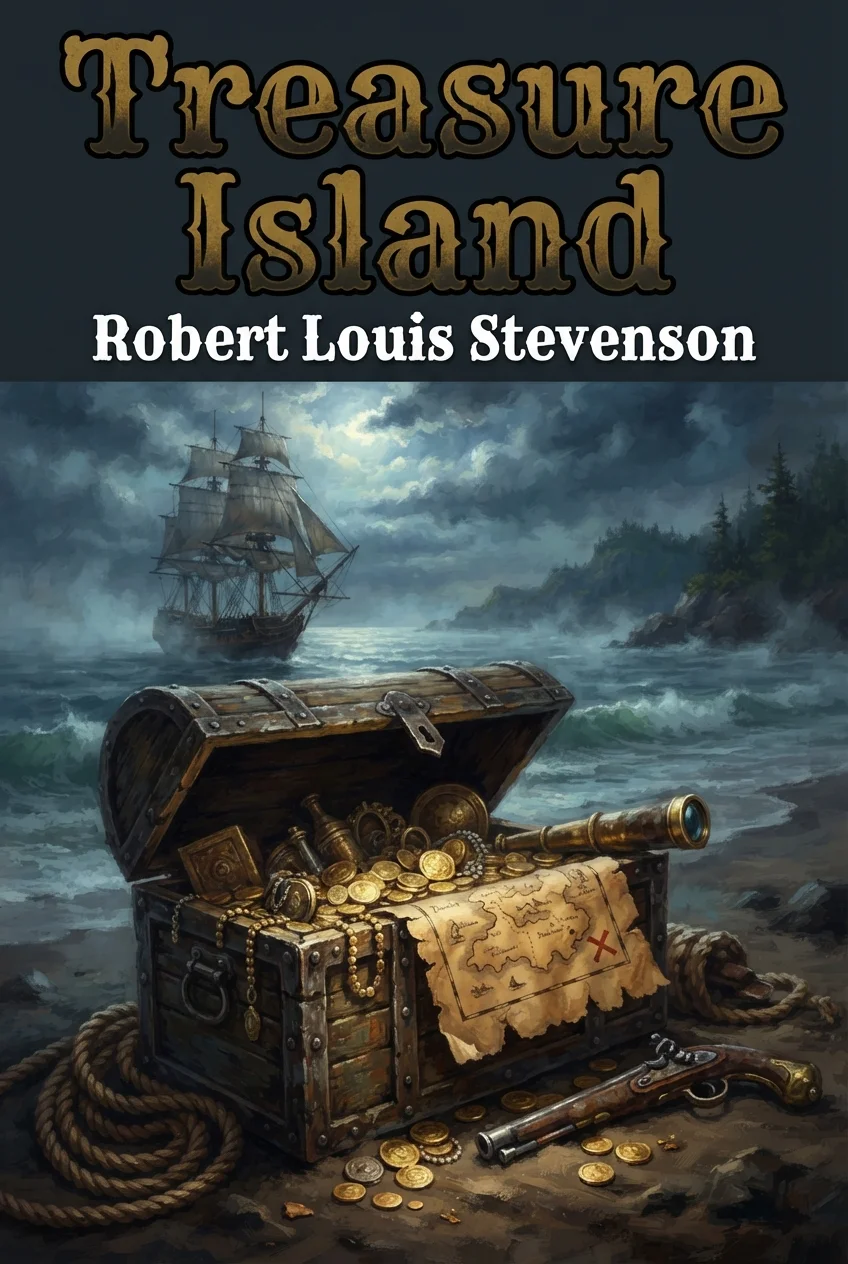
- Treasure Island (1883): This quintessential adventure novel defined the modern perception of pirates and buried treasure for generations of readers.
- A Child's Garden of Verses (1885): This collection of poetry captures the innocence and imagination of childhood with enduring charm and simplicity.
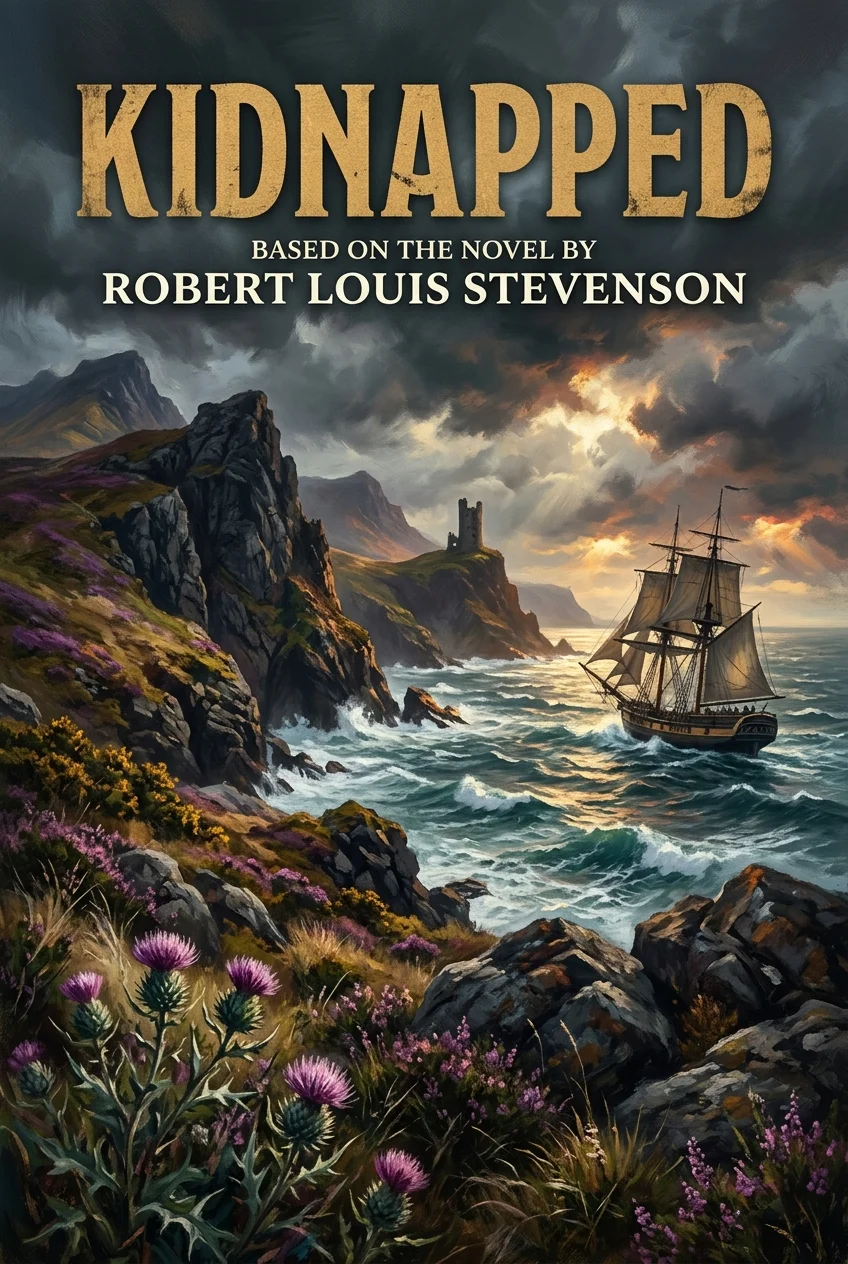
- Kidnapped (1886): Set against the backdrop of the 18th-century Jacobite rising, this historical fiction follows a young man’s perilous journey across the Scottish Highlands.
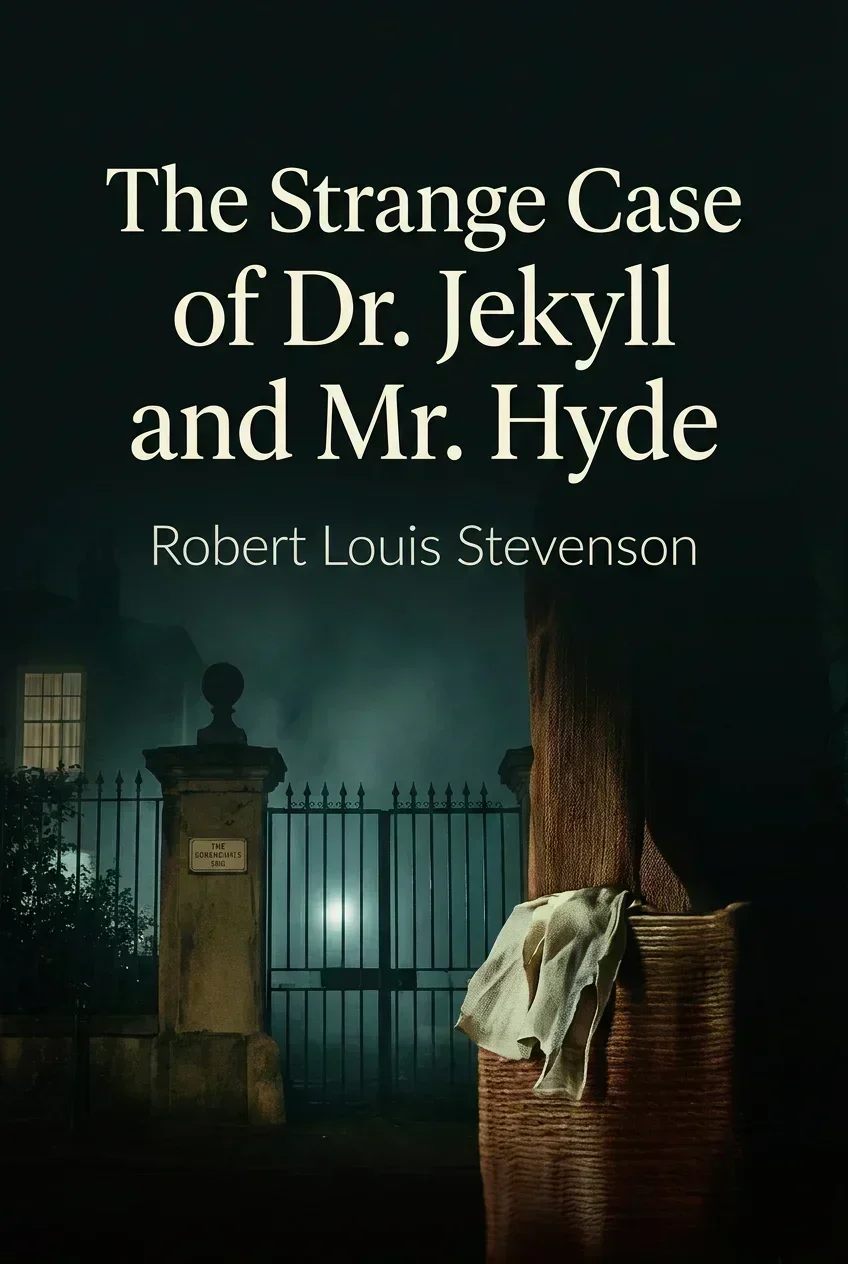
- The Strange Case of Dr. Jekyll and Mr. Hyde (1886): This chilling novella explores the duality of human nature through a London doctor who transforms into a murderous alter ego.