Mohamed Sameh El-Said El-Sebaei
1974 – present
Egyptian
1 bookBiography
Mohamed Sameh El-Said El-Sebai (b. 1974) is an Egyptian writer, critic, and architect. He is considered one of the authors who combined a scientific engineering specialization with active participation in the cultural and literary scene. Born in Cairo Governorate, he worked to enrich the Arabic library with architectural studies, analytical articles, and literary works of a critical and social nature.
El-Sebai graduated from the Faculty of Engineering in 1997, specializing in architectural engineering. He then established his private firm, "The Egyptian Consulting Office," in 1998 to practice architectural design. He has participated in numerous scientific and cultural conferences and published research addressing issues of architecture, urbanism, and the impact of technology and virtual reality on lived reality and culture.
He served as the managing editor of Alam Al-Kitab (The World of the Book) magazine, published by the General Egyptian Book Organization, during its fourth series in 2016. He began publishing analytical articles in print media in 2002, continuing to address political and social issues as well as literary criticism across several Arab magazines and newspapers, such as Al-Emarat Al-Thaqafiya, Al-Majalla Al-Misriyya, Al-Ittihad Al-Kurdistani, and Iraq's Al-Sabah.
Key Works
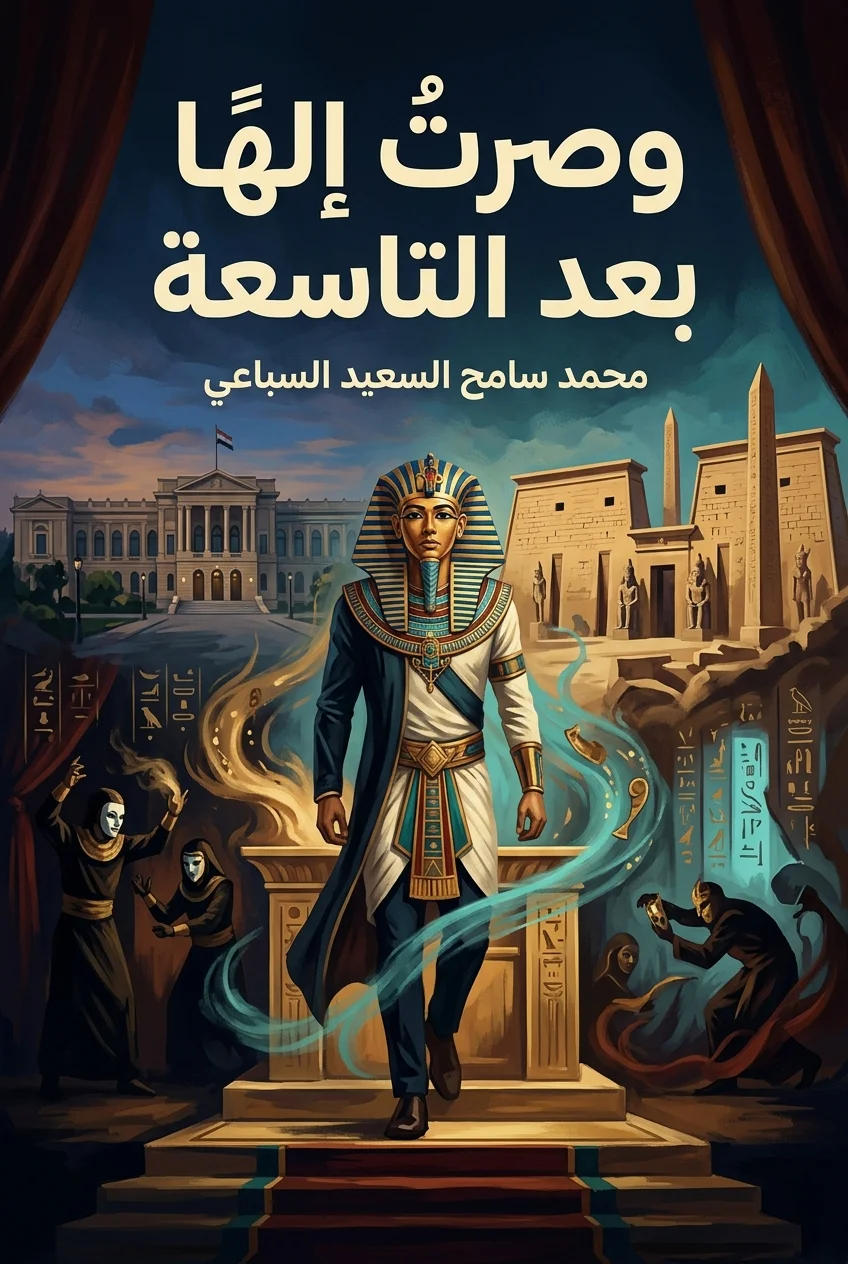
- And I Became a God After Nine: A literary work included within the author's creative output.
- Virtual Realities and Conceptual Design (2000): A specialized study addressing the impact of virtual reality on our lived reality.
- City of the Image (2006): A study discussing issues of architecture, urbanism, and their relationship with culture.
- The Game Series: A book comprising thirty-four analytical articles that examined Arab political and social reality.
- Diaries of a Donkey from Egypt: A satirical literary book of social criticism containing a set of diaries that addressed political and economic relations within Egyptian society.
- The Arab Cultural Scene (2016): A critical essay in which the researcher addressed normative criticism of the literary text.