Marivaux
1688 – 1763
French
2 booksBiography
Pierre Carlet de Chamblain de Marivaux (1688) is a French playwright and novelist whose delicate psychological insights and distinct literary style earned him a lasting place in the French theatrical canon. He is best known for exploring the subtle nuances of budding love and social mobility, creating a unique theatrical vocabulary known as marivaudage.
Born in Paris, Marivaux spent his youth in Normandy before returning to the capital to pursue his literary career, initially writing parodies and essays that engaged with the intellectual debates of the early French Enlightenment. His introduction to the Comedie-Italienne in Paris proved transformative, as he began writing comedies that successfully blended Italian commedia dell'arte traditions with profound emotional realism. Throughout the 1720s and 1730s, he produced his most celebrated dramatic masterpieces, capturing the delicate hesitations, disguises, and emotional awakenings of aristocratic and domestic characters. In addition to his extensive work for the stage, he contributed significantly to the development of the European novel through influential serialized prose works.
Essential Reading
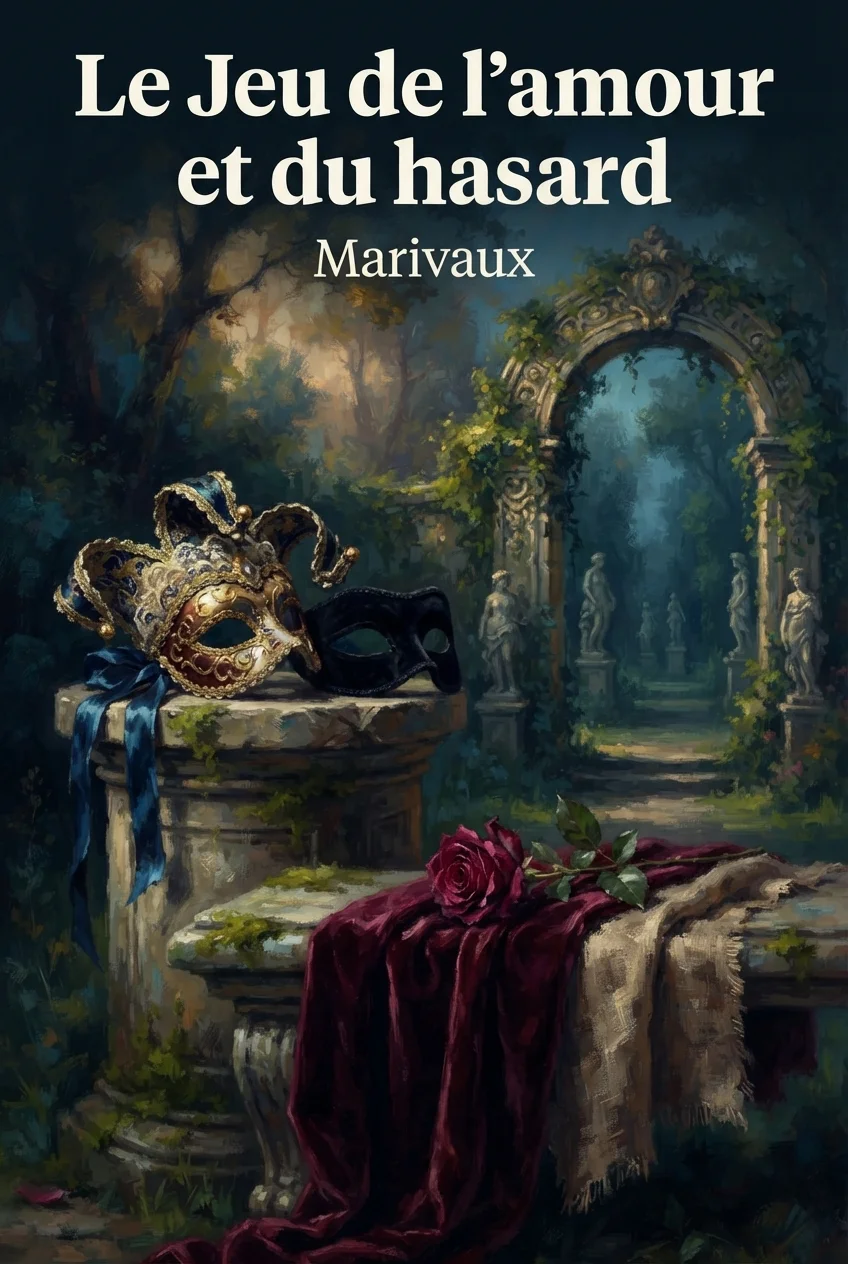
- The Game of Love and Chance (Le Jeu de l’amour et du hasard) (1730): This sparkling comedy of manners follows a young woman who disguises herself as her maid to test her prospective husband, who has engaged in the exact same deception.
- The Colony (La Colonie) (1750): This thought-provoking social comedy examines gender politics and societal reform as a group of women establish an egalitarian community during an overseas exile.
- The Life of Marianne (La Vie de Marianne) (1731): This expansive unfinished psychological novel chronicles the trials, observations, and eventual upward mobility of an orphaned young woman navigating Parisian society.