L. M. Montgomery
1874 – 1942
Canadian
5 booksBiography
Canadian novelist, poet, and short story writer (1874 to 1942). Lucy Maud Montgomery was a defining voice in Canadian literature whose vivid storytelling transformed the rural landscapes of Prince Edward Island into a universal map of the human imagination. Raised by her strict maternal grandparents after the early death of her mother, she channeled her own experiences of loneliness into a literary world that celebrated the vibrant inner life of the individual. She achieved immediate international success by capturing the spirit of a society caught between rigid tradition and the burgeoning freedom of the new century.
Her work explored the human condition through the eyes of spirited protagonists who used creativity to navigate the social expectations of small-town life. Montgomery possessed a rare ability to blend the idyllic beauty of nature with the sharp realities of domestic struggle and emotional growth. While she is often associated with youthful wonder, her writing frequently delved into more complex psychological territory, reflecting her own private battles with depression and the weight of public expectation. She remained a prolific writer throughout her life, leaving behind journals and stories that provided a piercingly honest look at the constraints faced by women writers in the early 1900s.
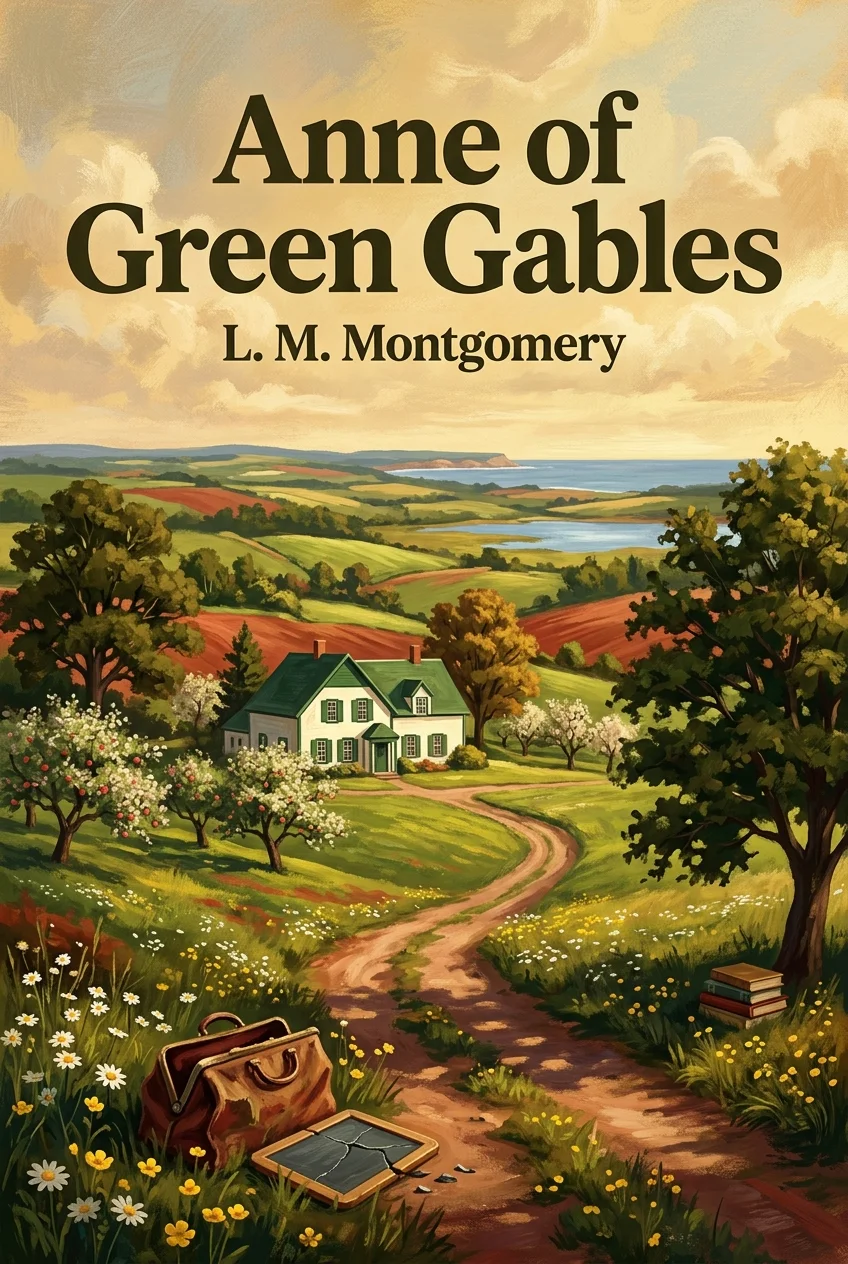
Her writing remains a cornerstone of the literary canon, cherished for its emotional depth and its portrayal of the resilience of the human spirit. Her most acclaimed works include Anne of Green Gables (1908), Anne of Avonlea (1909), Emily of New Moon (1923), and The Blue Castle (1926).