James Joyce
1882 – 1941
Irish
2 booksBiography
James Joyce (1882–1941) was a monumental figure of literary modernism who radically reinvented the boundaries, structure, and language of the English novel. Though he left Ireland in his early twenties and spent the rest of his life in self-imposed exile—drifting between Trieste, Zurich, and Paris—his imagination never abandoned his homeland. He obsessively recreated the streets, pubs, and people of his native Dublin from memory, famously claiming that if the city were ever destroyed, it could be rebuilt brick by brick using his work.
Joyce fundamentally altered the landscape of fiction by pioneering the "stream of consciousness" technique. Instead of relying on traditional narration, he plunged readers directly into the unfiltered, chaotic, and intimately human inner thoughts of his characters. His uncompromising vision frequently clashed with the moral sensibilities of his era; his masterpiece, Ulysses, faced fierce censorship and intense obscenity trials before it was legally allowed to be published in the United States and the UK, eventually cementing its status as one of the greatest works of the 20th century.
Essential Reading
- Ulysses (1922): His groundbreaking, epic masterpiece that brilliantly maps the classical structure of Homer's Odyssey onto a single, deeply ordinary day (June 16, 1904) in the lives of three Dubliners.
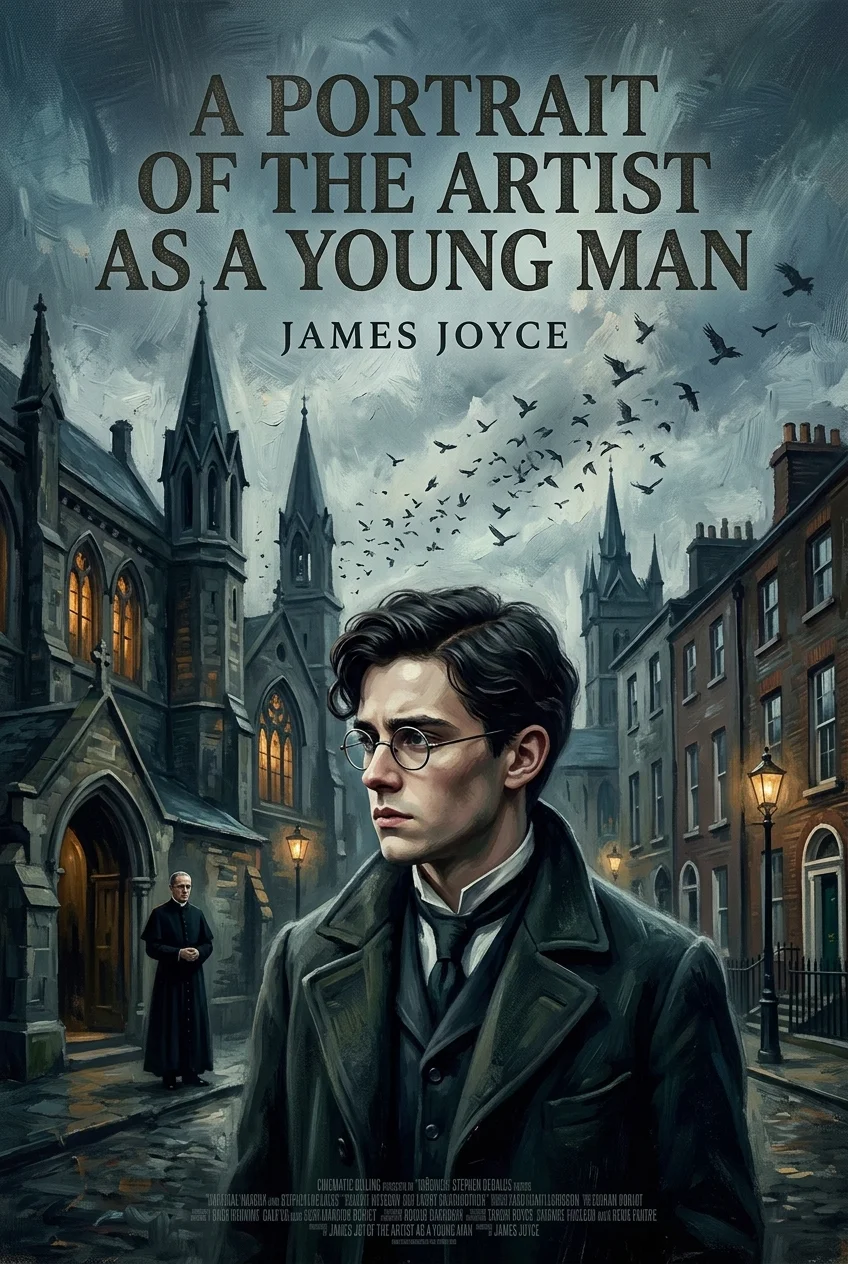
- A Portrait of the Artist as a Young Man (1916): A dazzling, semi-autobiographical coming-of-age novel that traces the intense intellectual, religious, and sexual awakening of his alter ego, Stephen Dedalus.
- Dubliners (1914): A masterful, sharply observed collection of fifteen short stories—culminating in the poignant masterpiece "The Dead"—that captures the social paralysis and quiet epiphanies of middle-class Irish life.
- Finnegans Wake (1939): His final, fiercely experimental, and notoriously difficult work; a cyclical, dream-like narrative that practically invents its own language through endless puns and linguistic acrobatics.