Henry David Thoreau
1817 – 1862
American
2 booksBiography
American naturalist, philosopher, and essayist (1817 to 1862). Henry David Thoreau was a leading figure in the Transcendentalist movement and a fierce advocate for the sovereignty of the individual. Born in Concord, Massachusetts, he dedicated his life to observing the subtle mechanics of nature and the complex ethics of human governance. He believed that modern society often cluttered the mind with unnecessary possessions and social obligations, obscuring the path to true wisdom.
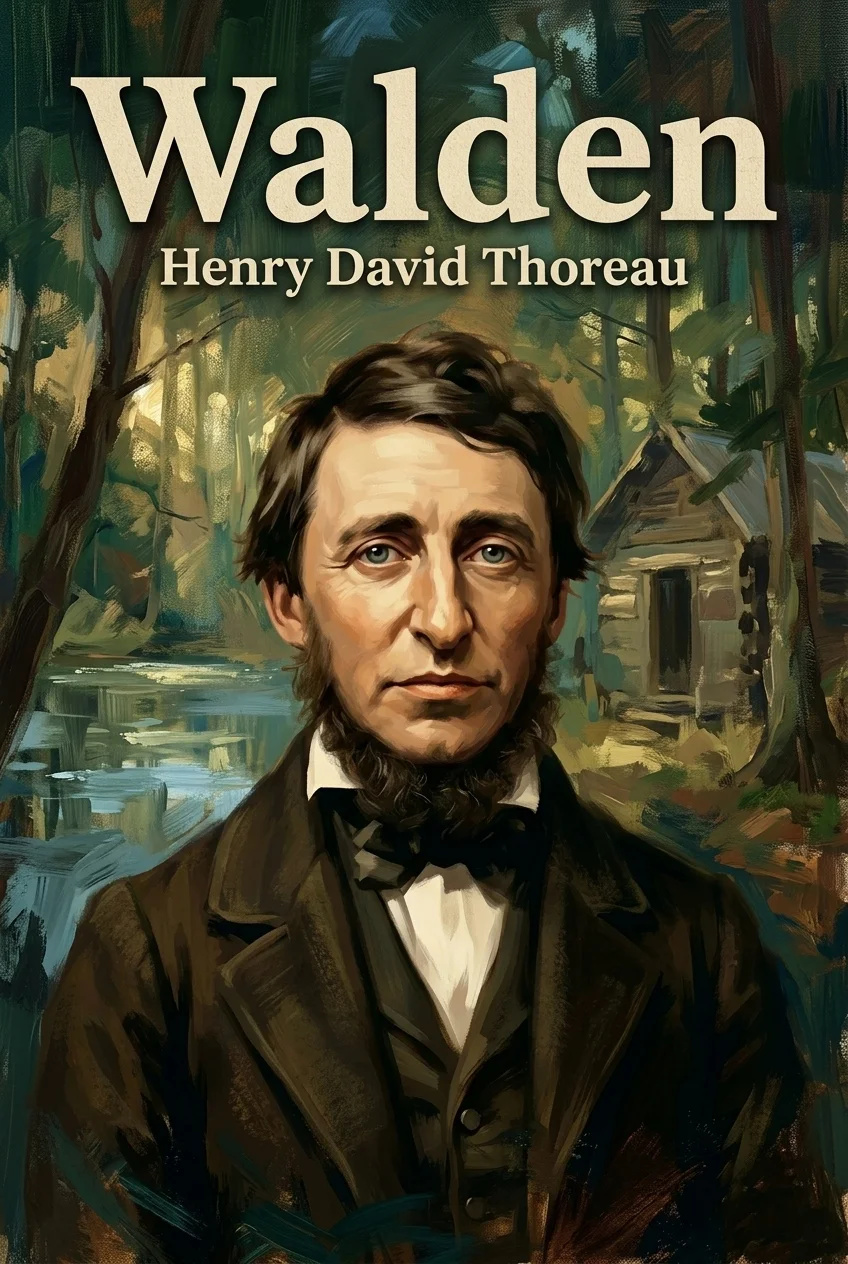
In 1845, he retreated to a small cabin at Walden Pond to embark on a two-year experiment in deliberate living. By reducing his physical needs to the absolute minimum, he sought to "live deep and suck out all the marrow of life," proving that a wealth of spirit was far more valuable than material riches. This experience birthed his most famous work, which remains a foundational text for environmentalism and minimalism.
His intellectual courage extended to the political sphere, where he championed the concept of civil disobedience. He argued that when a government supports injustice, such as slavery or imperialist wars, the citizen has a moral obligation to withhold their support. This philosophy of non-violent resistance transformed the way the world approaches activism, influencing global movements for justice and freedom.
His writing is celebrated for its sharp wit, scientific accuracy, and its enduring call for people to march to the beat of their own drummer. His most acclaimed works include Walden (1854), Civil Disobedience (1849), The Maine Woods (1864), and A Week on the Concord and Merrimack Rivers (1849).