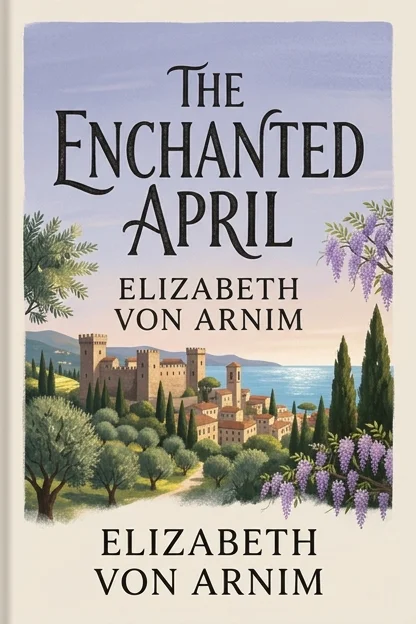
Elizabeth Von Arnim
1866 – 1941
English
1 bookBiography
Born Mary Annette Beauchamp in Australia and raised in England, Elizabeth von Arnim (1866–1941) found her literary voice by looking over a garden wall. After marrying a Prussian aristocrat—whom she famously dubbed "the Man of Wrath" in her writing—she moved to a remote estate in Pomerania. There, she transformed her experiences of isolation and domestic frustration into a series of witty, subversive, and immensely popular books. Writing under the simple pseudonym "Elizabeth," she became one of the most celebrated satirical voices of the early 20th century.
Von Arnim’s prose is deceptive; it often appears lush and sunny on the surface, but it conceals a biting critique of the stifling expectations placed upon women. She was a master of the "quiet rebellion," championing the idea that a woman’s independence could be found in the cultivation of a garden or the temporary escape of a holiday. Her life was as dramatic as her fiction, involving a scandalous affair with H.G. Wells and a disastrous second marriage to the Earl Russell. Despite the personal turmoil, her work remains a testament to the power of sharp observation and the restorative beauty of the natural world.
Essential Reading
- Elizabeth and Her German Garden (1898): Her sensational debut, a semi-autobiographical diary that blends horticultural advice with a dryly humorous account of her struggle to find solitude and agency within the rigid structures of German aristocratic life.
- The Enchanted April (1922): Her most beloved novel, a sun-drenched tale of four very different women who escape their drab lives in London to rent a medieval castle in Italy. It is a masterpiece of atmospheric writing and psychological transformation.
- Vera (1921): A surprisingly dark and chilling departure from her usual wit. This psychological thriller explores the dynamics of a coercive marriage and was largely inspired by the author’s own traumatic relationship with her second husband.
- The Pastor’s Wife (1914): A poignant and satirical look at the cultural clash between a naive English woman and her stoic German husband, offering a sharp-eyed view of pre-war European social norms.
- Love (1925): A daring exploration of the social taboos surrounding age gaps in romance, following the relationship between an older woman and a much younger man with both sympathy and ruthless honesty.