D. H. Lawrence
1885 – 1930
English
1 bookBiography
David Herbert Lawrence (b. 1885) is an English novelist, poet, playwright, and literary critic recognized as one of the most influential and controversial figures of twentieth-century literature. His profound and radical body of work explores the tensions between industrial modernity, human sexuality, emotional vitality, and the natural world.
Born in Eastwood, Nottinghamshire, to a coal miner and a former schoolmistress, Lawrence drew deeply from his working-class upbringing for his early fiction. After studying at Nottingham University College, he worked briefly as a teacher before publishing his first novel, The White Peacock, in 1911 and dedicating himself full-time to writing. His life was significantly shaped by the outbreak of the First World War and his tumultuous marriage to Frieda von Richthofen, an aristocratic German woman who left her family to be with him.
Subject to intense censorship, state harassment, and xenophobia during the war due to Frieda's German heritage, Lawrence spent much of the remainder of his life in voluntary exile. This nomadic existence took him across Europe, Australia, Mexico, and the United States, providing rich material for his travel writing and later fiction. Throughout his career, he continually challenged Victorian moral codes, famously facing obscenity trials and public bans for his frank depictions of human desire and psychological complexity.
Essential Reading
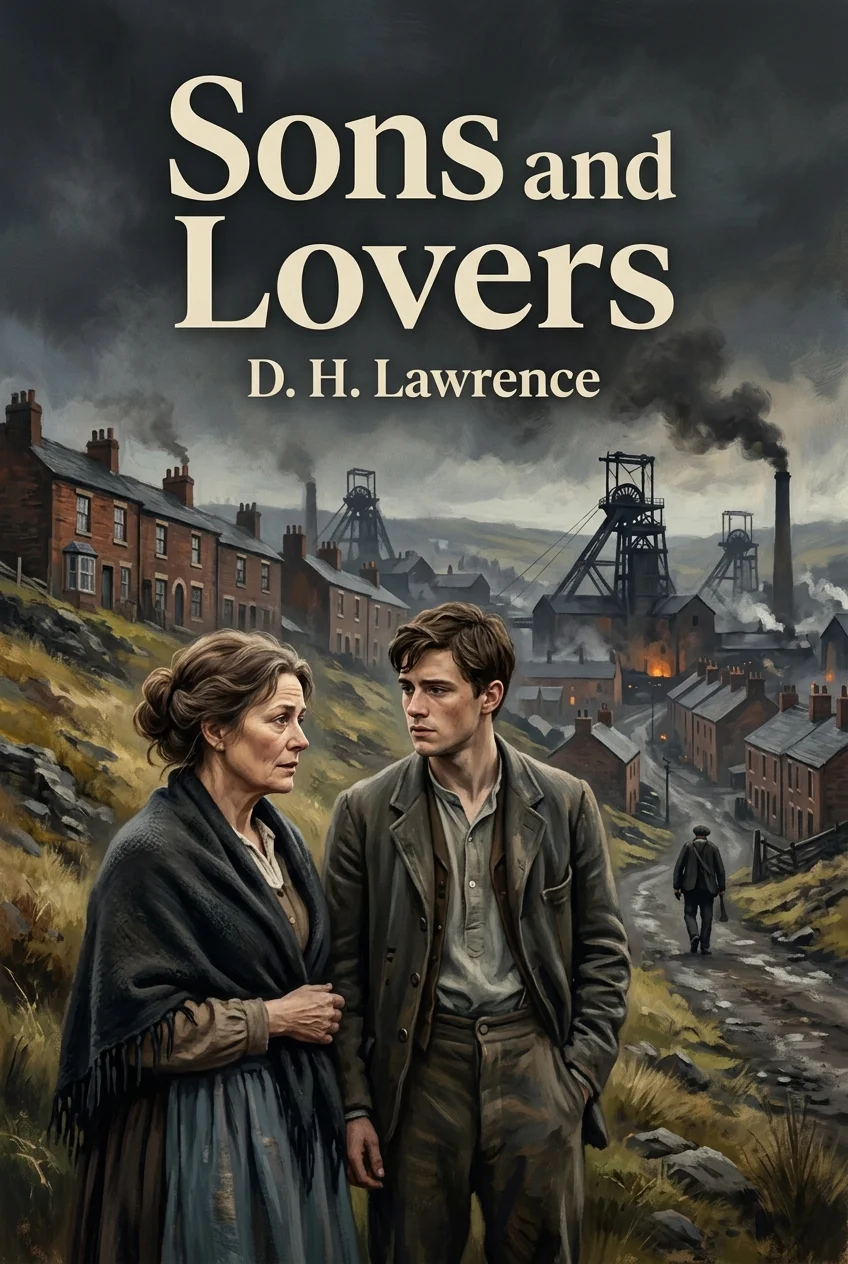
- Sons and Lovers (1913): This semi-autobiographical masterpiece brilliantly captures the agonizing emotional conflicts of a young artist torn between his domineering mother and the demands of romantic love in a mining community.
- The Rainbow (1915): Spanning three generations of the Brangwen family, this ambitious novel explores the evolving spiritual and passionate aspirations of rural Englishmen confronting the modern age.
- Women in Love (1920): This profound psychological sequel delves deeply into the contrasting romantic philosophies and existential crises of two sisters navigating a rapidly industrializing post-war society.
- Lady Chatterley's Lover (1928): Lawrence's final and most notorious novel boldly champions the healing power of physical and emotional intimacy across social class boundaries despite facing landmark censorship trials.