Countess of Ségur
1799 – 1874
French
5 booksBiography
Sophie Rostopchine, Comtesse de Segur (1799–1874), was a prolific French novelist of Russian origin who became one of the most influential figures in nineteenth-century children's literature. Writing primarily for the renowned Bibliotheque Rose series, she revolutionized juvenile fiction by introducing realistic characters, sharp humor, and vivid social commentary. Her work remains a cornerstone of the French literary canon, bridging the gap between traditional moral fables and modern character-driven storytelling.
Born in Saint Petersburg as the daughter of Count Fyodor Rostopchin, the Governor of Moscow, she witnessed the dramatic events of the Napoleonic Wars before her family moved to France in 1817. After marrying Count Eugene de Segur in 1819, she lived a quiet life at her country estate, Nouettes, in Normandy, where she focused on raising her eight children. Her literary career did not begin in earnest until she was in her late fifties, sparked by her desire to write down the stories she told to her grandchildren.
In 1856, she signed a landmark contract with the Hachette publishing house, leading to a prolific period where she produced over twenty novels that captured the nuances of aristocratic life and childhood psychology. Her writing was deeply shaped by her own upbringing and her observations of the social hierarchies of the Second French Empire. Despite the physical ailments of her later years, she maintained a rigorous writing schedule, ensuring her stories provided both entertainment and ethical guidance to generations of young readers across Europe.
Essential Reading
- Les Malheurs de Sophie (1858): This classic novel follows the mischievous adventures of a young girl whose curiosity and lack of discipline lead to a series of humorous and cautionary mishaps.
- Les Petites Filles modeles (1858): Serving as a sequel to her most famous work, this story explores the contrasting lives of well-behaved children and the redemptive power of friendship and education.
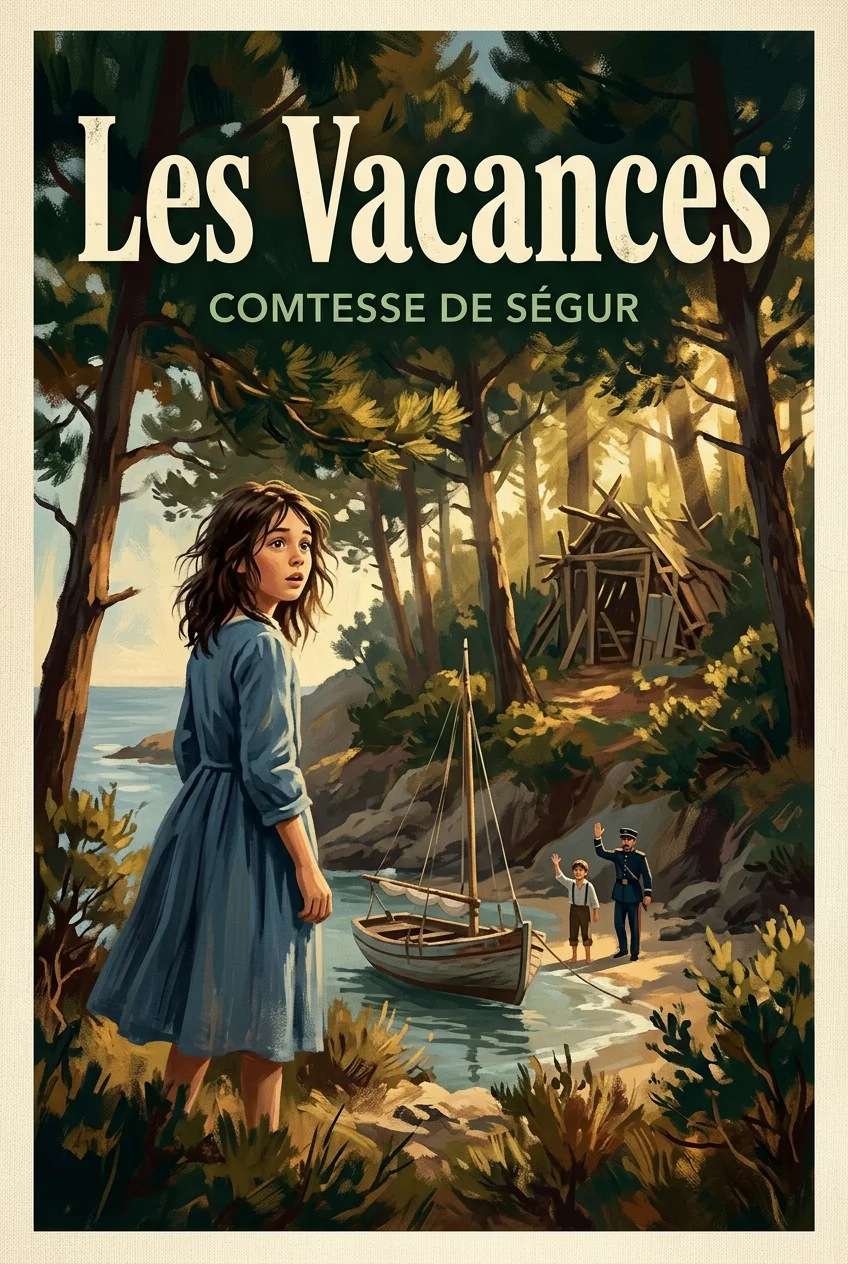
- Les Vacances (1859): This concluding volume of the trilogy brings the beloved characters together for a summer of discovery, resolving long-standing family mysteries and personal growth.
- La Soeur de Gribouille (1862): This touching narrative tells the story of a loyal sister who strives to protect and guide her simple-minded brother through various social challenges.
- Un bon petit diable (1865): Often cited as one of her most realistic works, this novel depicts the struggles of an orphaned boy named Charles against his abusive guardian, highlighting themes of resilience and justice.